
Last updated November 15, 2026
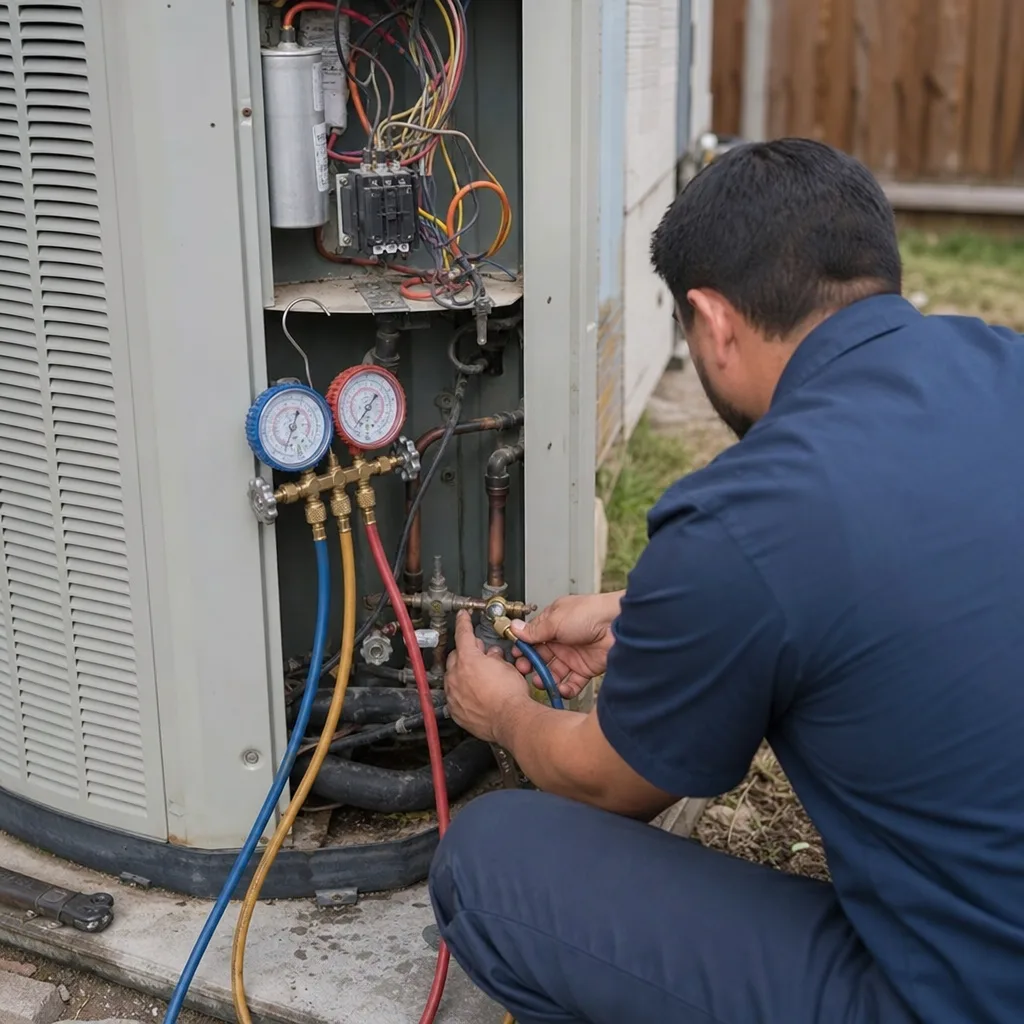
 AC repair
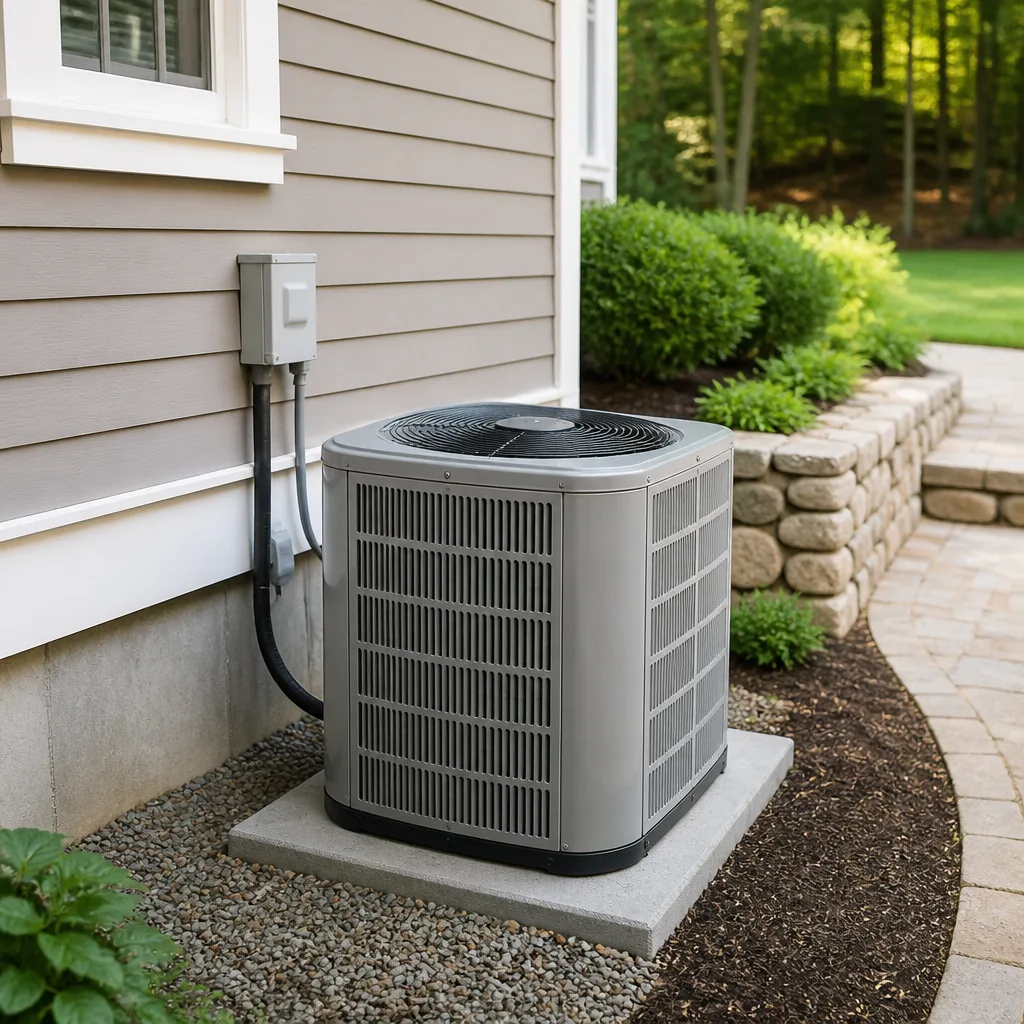
 Furnace & heating
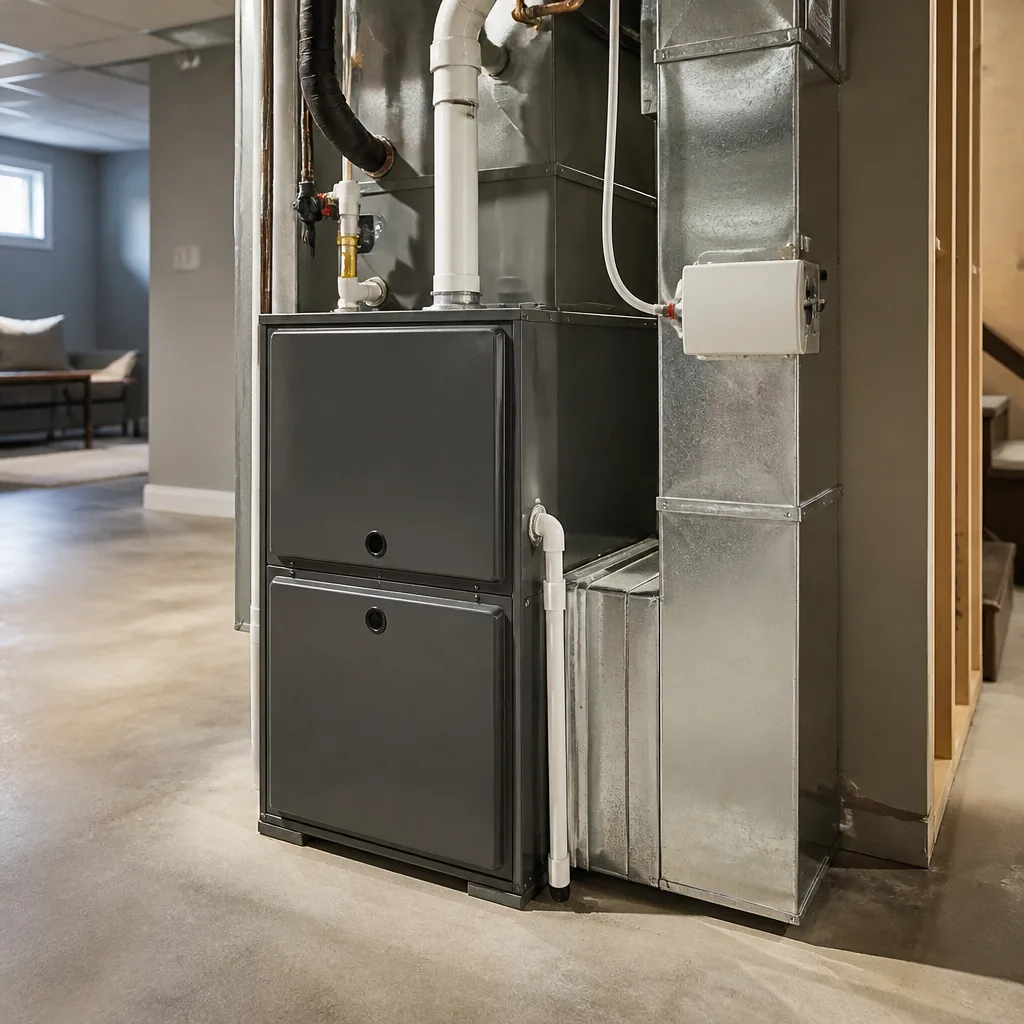
 Heat pumps
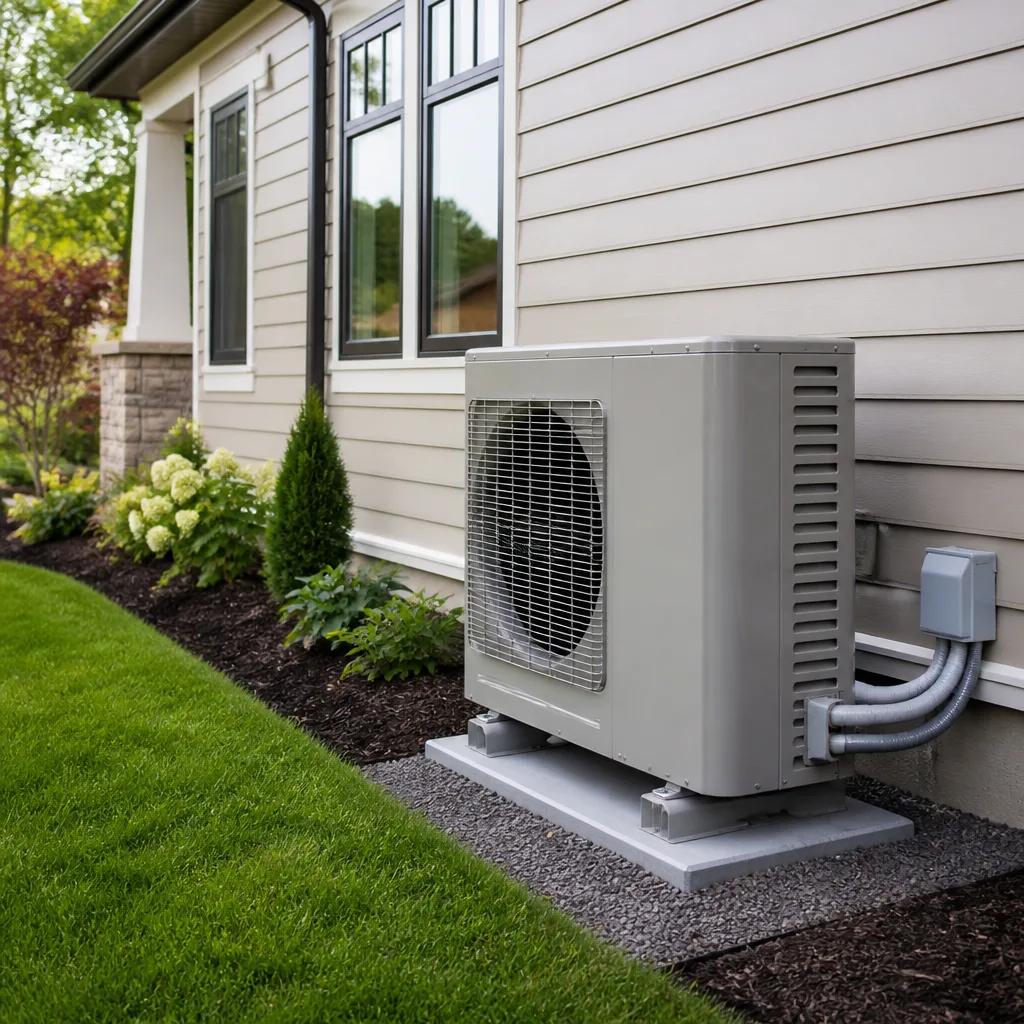
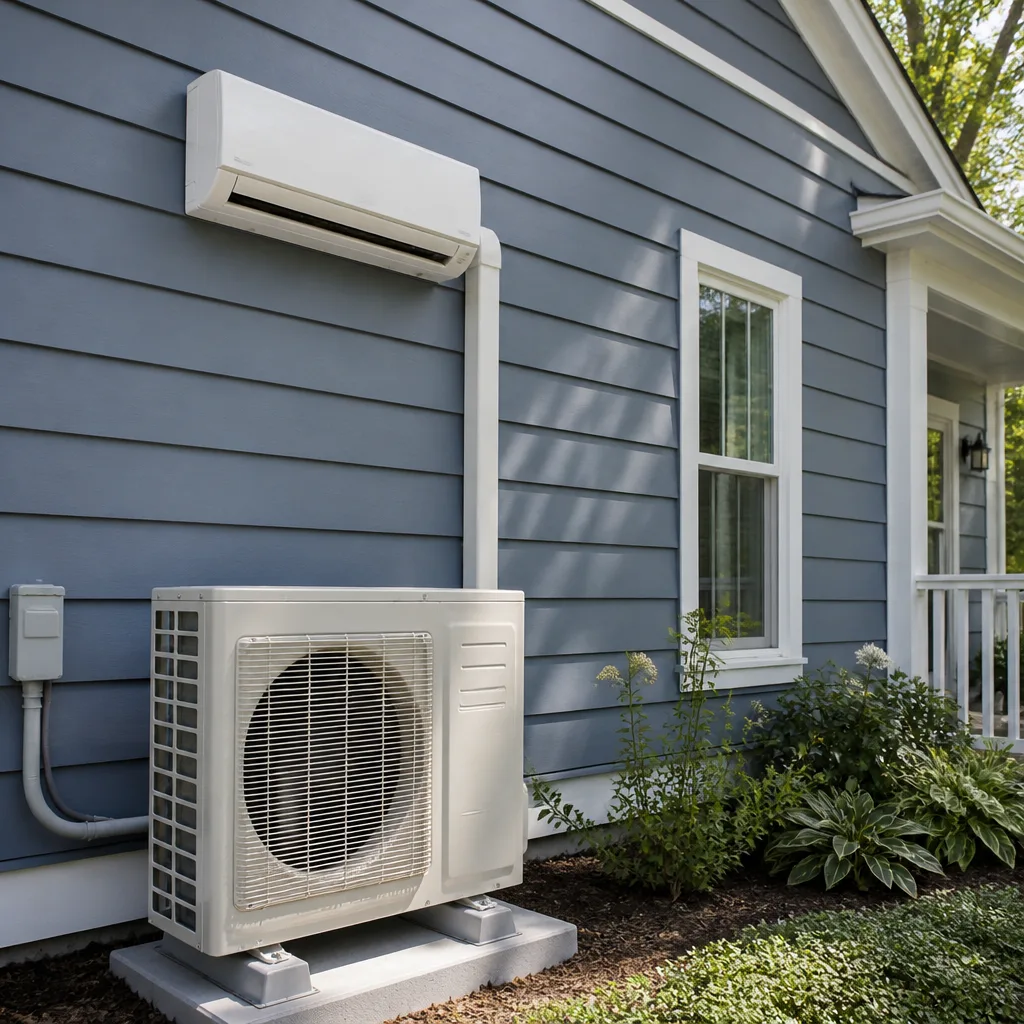 Ductless mini splits
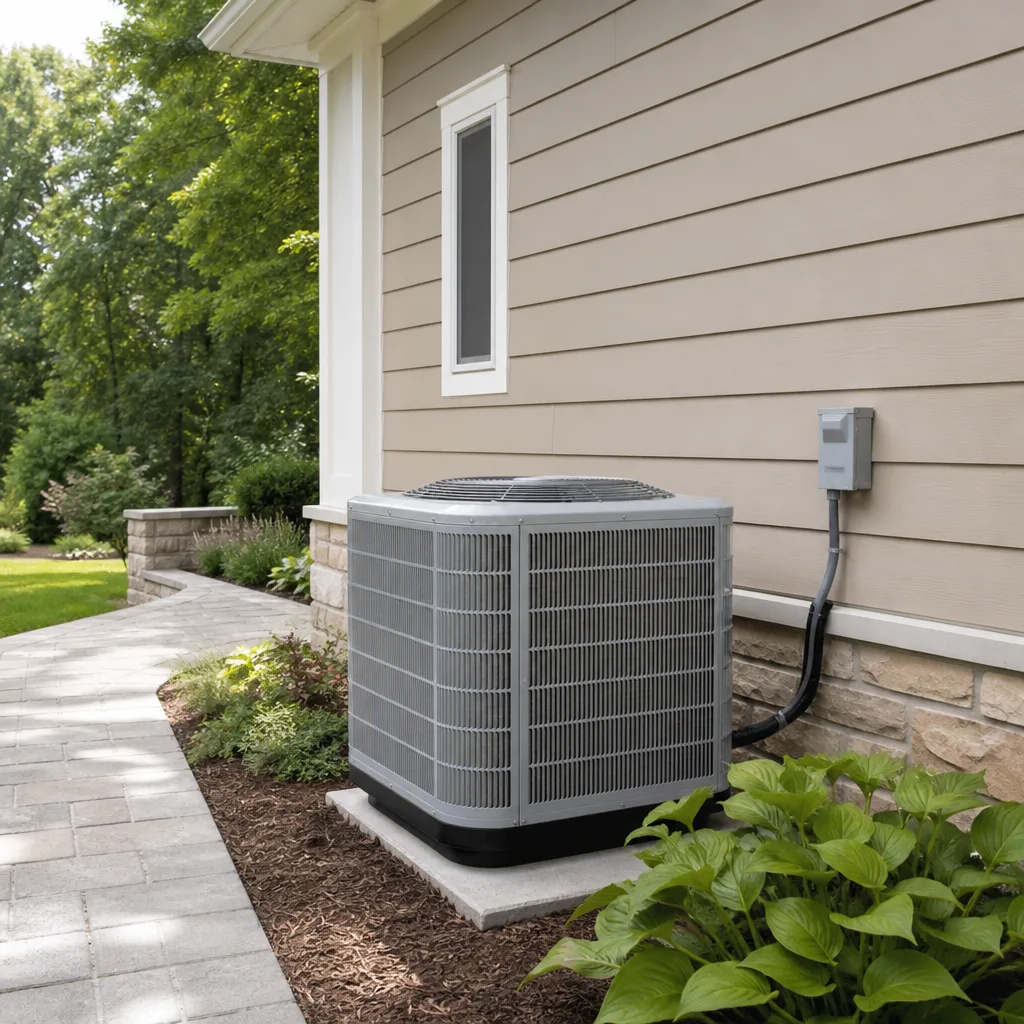 Carrier
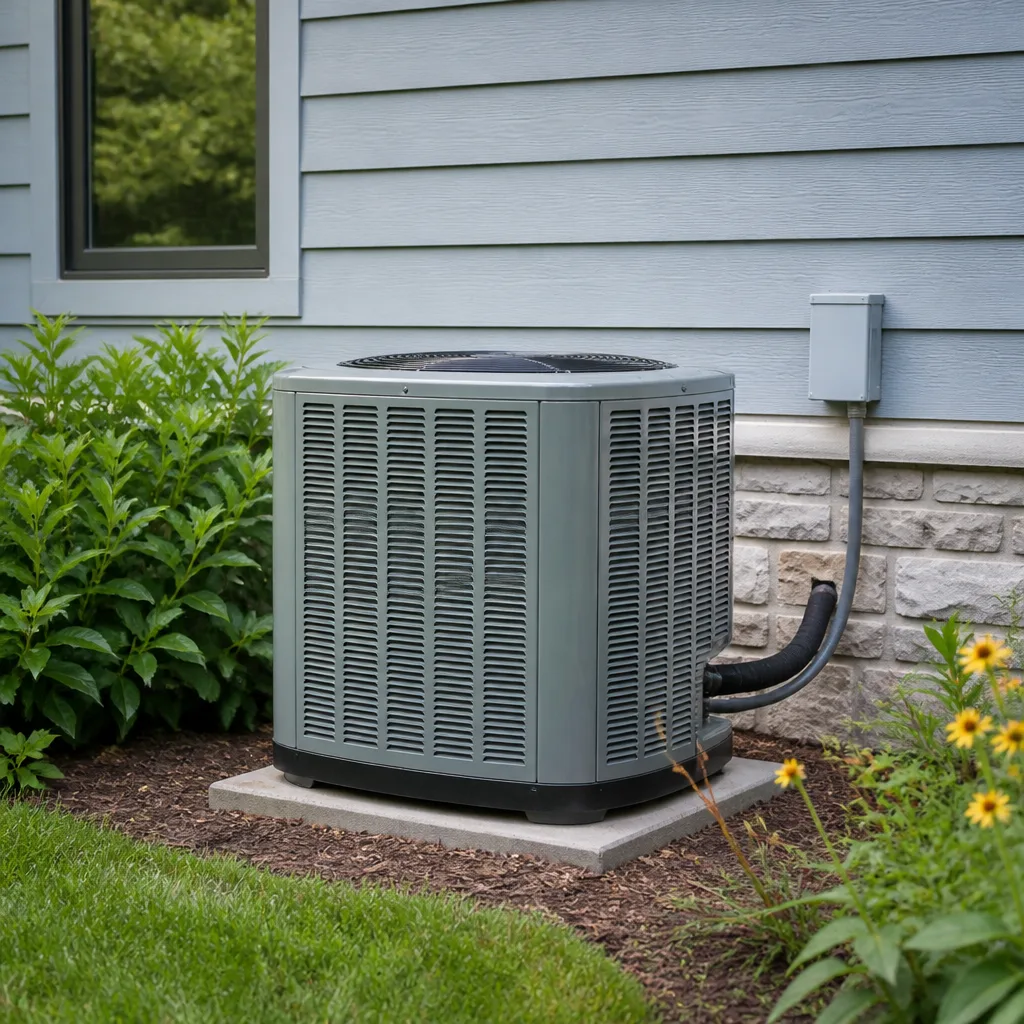 Trane
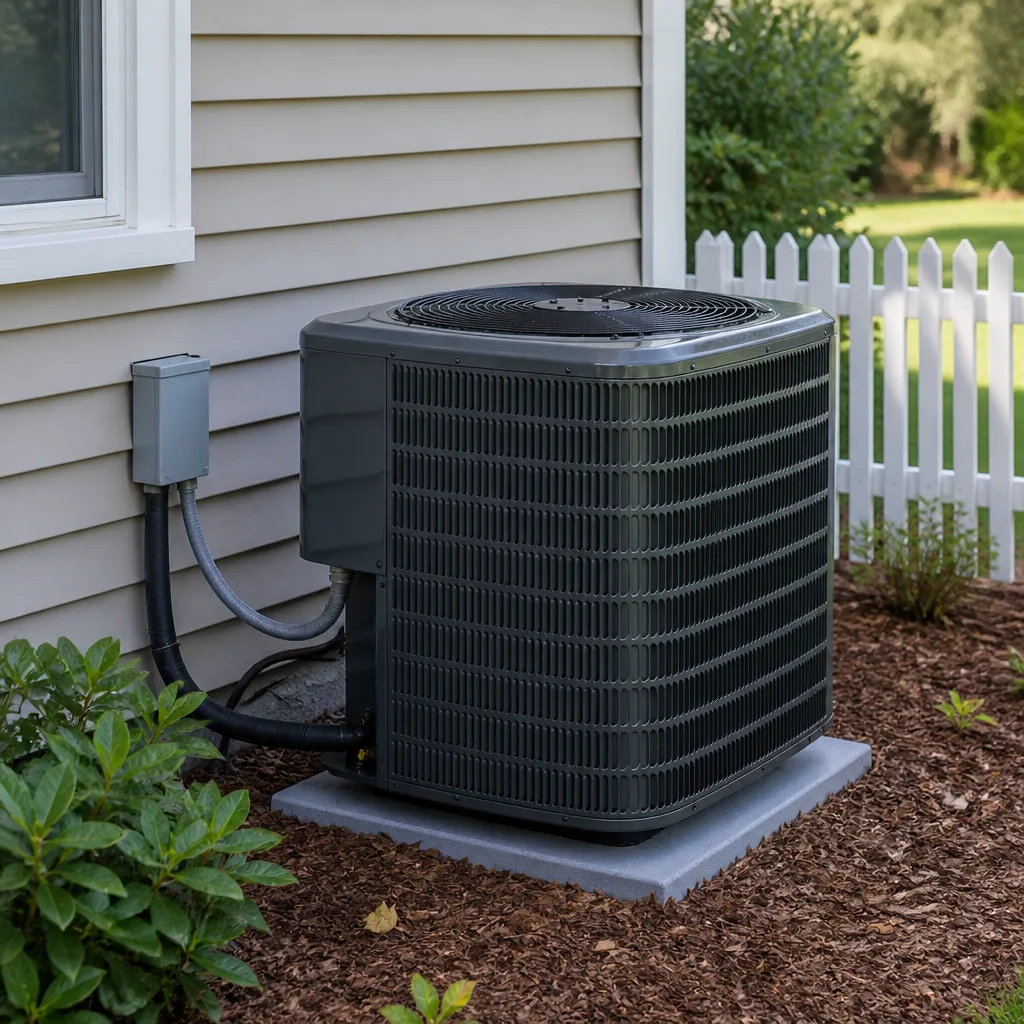 Goodman
Seasonal tune-up and full diagnostic on your Carrier, Trane, or Goodman system - readings shown to you before any repair is proposed
Diagnosis first, numbers second - you approve the repair price before a single part goes in.
Get your free estimateHVAC Emergency Preparedness Guide for Sugar Land Homes
Most HVAC emergencies aren’t really emergencies on the first minute. They become emergencies because of what happens in the half hour after the system stops. A home in Sugar Land running at 100°F outside can go from uncomfortable to unsafe while a homeowner waits on hold, guesses at the problem, or waits three days for a crew. The failure modes repeat every summer: a tripped breaker, a bulging capacitor, a frozen coil, a refrigerant leak, a clogged drain line. What separates a hot afternoon from a genuine health risk is knowing which one you’re dealing with and what to do before a technician arrives. This guide covers the first 30 minutes, Sugar Land’s specific heat thresholds, and how to prepare before the season turns.
Quick Answer
If your AC fails in Sugar Land, the first 30 minutes should be spent on three things: switching the thermostat to a real test (fan only or cool), checking the indoor and outdoor breakers, and looking at the indoor unit for ice on the copper lines or a full drain pan. Those checks identify most failures and prevent a minor problem from turning into a multi-day repair. We answer 24/7 and offer free estimates for any work you need afterward.
Styles & brands we work with
- AC repair
- Furnace & heating
- Heat pumps
- Ductless mini splits
- Carrier
- Trane
- Goodman
Table of Contents
- The First 30 Minutes: A Decision Flowchart
- The Five Most Common Emergency Causes
- Sugar Land Heat Thresholds by Household Member
- How to Tell What’s Actually Wrong
- Pre-Season Emergency Prep Checklist
- Winter Heat Emergency Prep for Sugar Land
- Common Mistakes to Avoid
- When to Call a Professional
The First 30 Minutes: A Decision Flowchart
When the AC stops blowing cold in Sugar Land, resist the urge to call first and think second. A structured 30-minute check identifies what’s happening and, in some cases, fixes it without a service call. Here’s the sequence we recommend, in order.
- Check the thermostat. Confirm it’s set to COOL, not FAN or HEAT, and the target temp is at least 3 degrees below the current reading. Fresh batteries are a common fix if the display is blank.
- Look at the indoor breaker panel. Find the double-pole breaker labeled for the air handler or furnace. If it’s tripped, reset it once. If it trips again, stop. That’s a real electrical fault.
- Check the outdoor disconnect. The condenser unit outside has its own breaker box or disconnect. Twice a year, this is the culprit. Reset once and listen for the compressor to try to start.
- Open the indoor unit door (or the filter grille) and check the filter. A fully clogged filter chokes airflow, and the evaporator coil freezes as a result. If it’s gray from edge to edge, replace it. This is the single most common cause of “my AC isn’t cooling” calls in Sugar Land.
- Go outside and listen. If the outdoor fan is running but the compressor is silent, or it hums and clicks off within a few seconds, that points to a failed capacitor or a start winding fault.
- Look at the copper lines entering the indoor coil. If they’re coated in white frost or actual ice, shut the system off at the thermostat and leave the fan on to thaw. This is a frozen coil and running it harder makes it worse.
- Check the condensate drain pan. If it’s full to the rim and there’s a float switch on the drain, that switch has shut the system off on purpose. A clogged drain line is common in Sugar Land’s summer humidity.
- If none of this resolves it, call. Describe what you found. A technician who knows the system didn’t respond to a breaker reset walks in ready to diagnose the actual problem instead of starting from scratch.
For the deeper work that follows a diagnosis, our Delmar AC Repair team handles the repair and any installation the situation calls for, and we work on the brand already on your wall.
The Five Most Common Emergency Causes
Almost every “no cooling” call we run in Sugar Land lands in one of five categories. Knowing them helps you describe the problem clearly when you call and helps you understand what a fair diagnosis looks like.
- Tripped breaker. The least expensive and most common. Usually one reset fixes it. If it trips again after a reset, that’s a sign of a short or an overloaded circuit and needs a technician.
- Failed capacitor. This is the part that gives the compressor and outdoor fan motor the jolt to start. When it fails, the system hums, clicks, or the outdoor fan won’t spin. A visible sign on some units is a bulged or leaking silver can under the service panel, but you should not open that panel yourself. Capacitors hold a charge that can injure you.
- Refrigerant leak. Symptoms are gradual: the house cools less each week, the system runs longer, and the copper lines may frost. Low refrigerant is never solved by “topping it off” alone. A leak needs to be found and repaired.
- Frozen evaporator coil. Caused by low airflow (clogged filter, blocked return, closed registers) or low refrigerant. The coil ices over, airflow stops completely, and the house warms quickly. Shut the system off, leave the fan on, and let it thaw before running it again.
- Clogged condensate drain. In Sugar Land’s summer humidity, a condensate line can fill with biological growth in a matter of weeks. When the pan fills, a float switch shuts off the system. Clearing the drain line usually restores cooling.
Distinguishing between these is half the battle. A failed capacitor and a refrigerant leak both cause warm air, but the timeline and the sounds are different. A frozen coil and a clogged filter feel the same at the thermostat, but one clears in an hour and the other requires repairing the cause.
Sugar Land Heat Thresholds by Household Member
Indoor heat is not equally dangerous to everyone in the house. When a Sugar Land AC fails during a summer heat event, the health risk climbs faster for some household members than for others. Recognizing this is what turns a “wait and see” attitude into a call.
- Elderly adults. Body temperature regulation slows with age, and some medications interfere with sweating. Above roughly 80°F indoors, elderly residents can overheat without feeling it. Above 85°F, an indoor thermometer reading is a reason to move that person to a cooled space.
- Infants and toddlers. Small bodies heat up faster and lose fluid faster. A room above 80°F with no air movement is uncomfortable for an infant and becomes unsafe as it climbs toward 85°F. Cooled sleeping space matters most at night.
- Pets. Dogs and cats can’t sweat like people. Flat-faced breeds and animals with thick coats are at higher risk. A 90°F room can be dangerous for them. Outdoor pets are not safer; indoor heat is often the immediate danger.
- People with heart or lung conditions. Heat puts added strain on the cardiovascular system. Even a moderate rise in indoor temperature is worth taking seriously for someone with a heart condition.
Cooling alternatives in Sugar Land homes include running ceiling fans (which don’t cool the air, but do help sweat evaporate), closing off sun-facing rooms during the hottest hours, taking a cool shower, and relocating to a cooled space. Libraries, community centers, and shopping malls in Sugar Land are all reasonable places to spend the hottest hours if needed. When you have vulnerable household members and indoor temperatures are climbing past 85°F, an HVAC call becomes a health decision, not a comfort one.
How to Tell What’s Actually Wrong
Homeowners often describe a failing system in ways that don’t narrow much down: “it’s not cooling,” “it’s making noise,” “it runs but nothing happens.” Small details tell a technician a lot before arrival, and they can help you decide whether you’re looking at a same-day fix or a scheduled repair. Here’s a short table to help.
- Hums and clicks off within seconds, outdoor fan won’t spin: usually a capacitor or a compressor start fault.
- Runs continuously but the house never cools, growing worse over a week or two: more likely low refrigerant or a slowly developing leak.
- Air comes out, but it’s not cold and the copper lines are frosted: frozen coil from low airflow or low refrigerant.
- Water puddle near the indoor unit or a wet ceiling stain: clogged condensate drain or a backed-up pan.
- Trips a breaker on every reset: electrical short or overloaded circuit. Do not keep resetting.
- Short cycling (on for 5 minutes, off for 5, repeat): could be a thermostat issue, an oversized unit, or low refrigerant pressure. Diagnosis needed.
- Loud banging on startup or shutdown: potentially a compressor or motor mount issue, but get it looked at.
If you’re deciding whether to repair or replace, we can walk through that with you and also quote AC installation so you’re comparing real numbers. On any AC or heat pump from Daikin, Bryant, American Standard, York, or the other manufacturers we service, we diagnose before we recommend.
A caution: refrigerant work and electrical diagnosis involve equipment and pressures that require training. Do not attempt to add refrigerant, replace a capacitor, or open an electrical panel. The health risk is real, and a mistake can turn a repair call into a much larger problem.
Pre-Season Emergency Prep Checklist
The best AC emergency is the one you never have. Most of the failures that send Sugar Land homes into a multi-day wait for service can be prevented, or handled much faster, with about 30 minutes of preparation in the spring. Here’s our checklist.
- Note the model and serial number of your indoor and outdoor units. Take a photo of the information plate on each unit and save it in your phone. It’s how a technician identifies which parts to bring.
- Have the technician contact saved before you need it. Save (833) 968-5064 in your phone contacts as “HVAC – Delmar.” A number you can find in 10 seconds saves an hour of searching during an emergency.
- Keep at least two spare filters in the closet. Filters are sized by dimension, and knowing yours (16x25x1, for example) makes a store run fast.
- Test the thermostat in FAN mode once a month. If the fan alone won’t run, you have a problem before summer starts.
- Check the outdoor unit clearance. Trim any hedge or vine growth within 2 feet of the condenser. Airflow restriction outside is as serious as a filter restriction inside.
- Look at the indoor drain pan and line before peak season. A slow drip or staining is a warning sign that a drain line is about to clog.
- Get on a priority service list before the rush. Ask any HVAC company you work with about a summer priority list. It’s how same-day service becomes same-day service in August.
- Know your breaker panel layout. Label the AC breaker clearly, or verify it’s already labeled. That one-minute fix saves confusion in a hot moment.
Our technicians have up to 15 years of experience across the brands you already own, so a spring tune-up is a good time to walk the system and flag anything that looks likely to fail in July.
Winter Heat Emergency Prep for Sugar Land
Sugar Land winters are mild, but that’s exactly why a hard freeze catches homeowners off guard. When temperatures actually dip below freezing for a stretch, the heating system and the plumbing become the concerns. Knowing what a heat pump does in that cold matters.
A heat pump in a Sugar Land home keeps working down to a certain outdoor temperature, then falls back to “emergency heat” or “auxiliary heat” strips. Those strips cost more to run, but they’re designed for these cold snaps. If the thermostat shows emergency heat is on, let it run. Don’t switch it off in the name of saving energy when indoor temps are dropping.
If the outdoor unit is a heat pump, you may see it go into a defrost cycle. It runs, blows cold for a few minutes, and shuts down. That’s normal. Thick ice buildup on the coil, or a unit that won’t restart after a defrost cycle, is a call.
Pipe freezing risk begins when outdoor temperatures stay below 28°F for several hours. Sugar Land usually sees a handful of those nights in a hard winter. On those nights:
- Open cabinet doors under sinks on exterior walls so warm indoor air reaches the pipes.
- Let a slow trickle of water run from the faucets furthest from the water heater.
- Disconnect garden hoses and cover exterior spigots with a foam cover.
- Keep the thermostat at a steady temperature rather than dialing it down overnight.
Emergency heat mode on a heat pump is a real tool, not a gimmick. When the strips are working, the indoor unit will heat the house even if the outdoor unit is struggling. If emergency heat doesn’t restore warmth, that’s a service call. We handle furnace repair alongside heat pump work, so the same team handles summer and winter problems.
See the difference
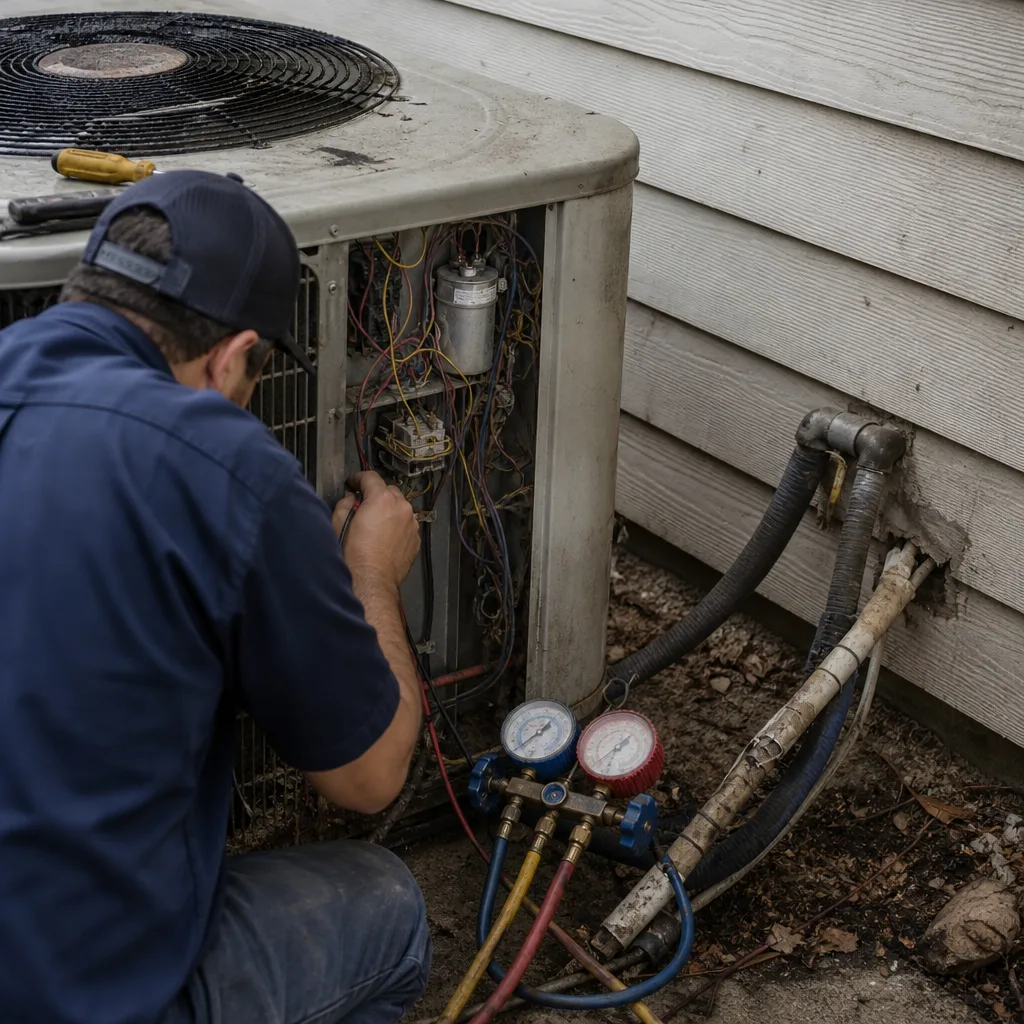 Before
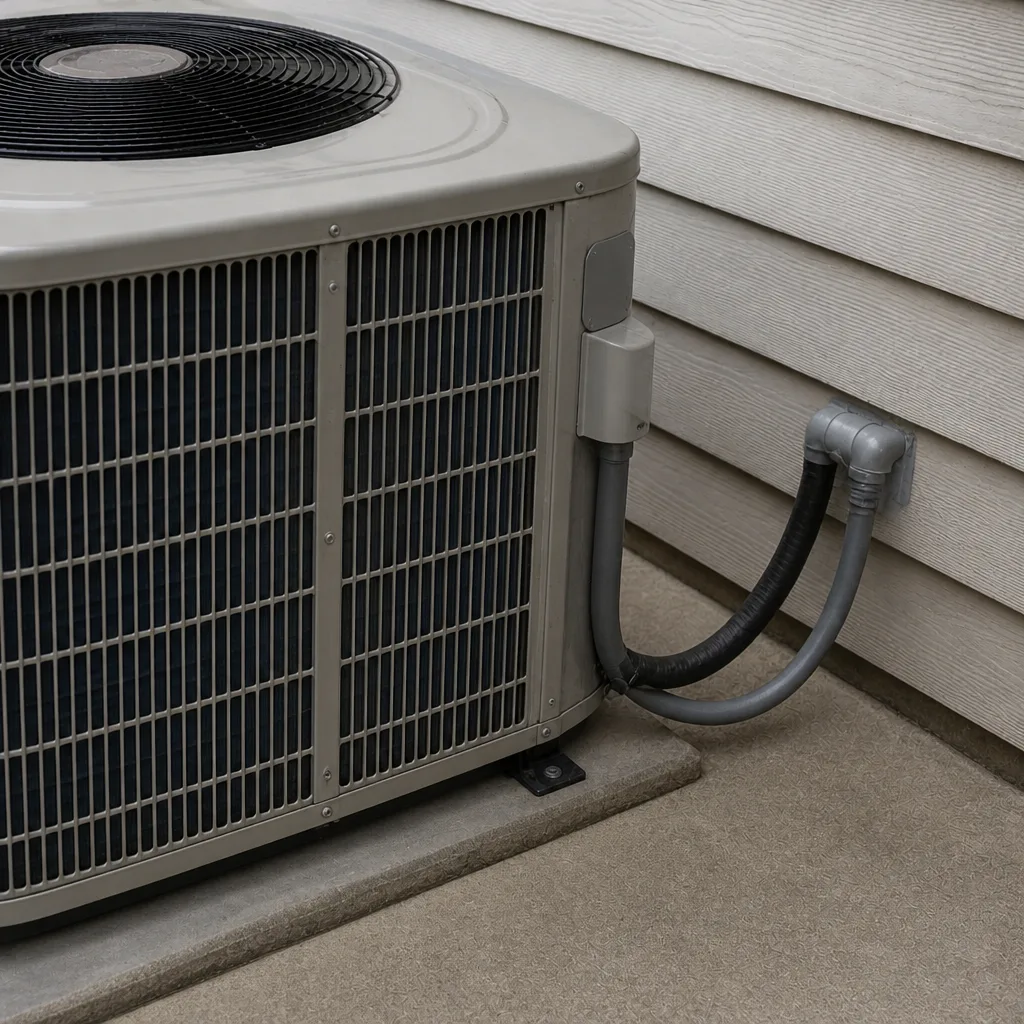 After
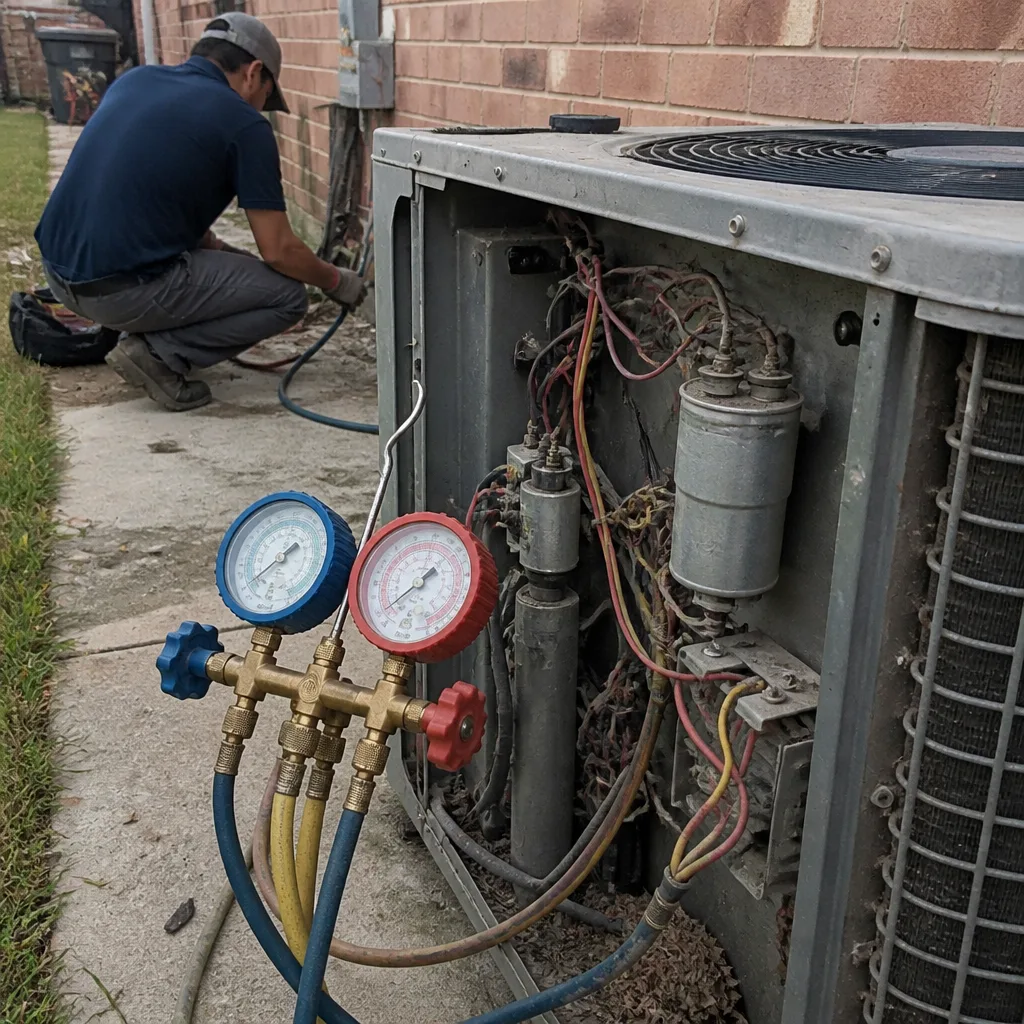 Before
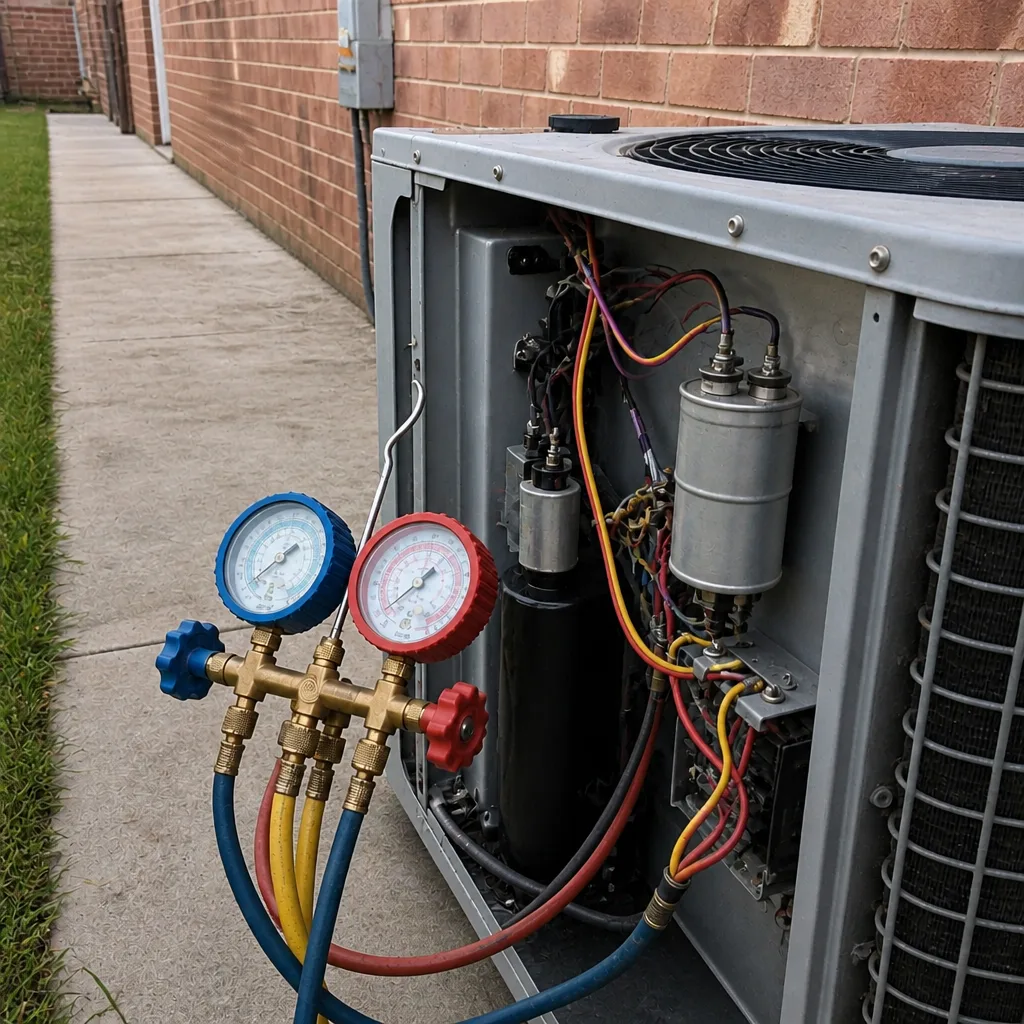 After
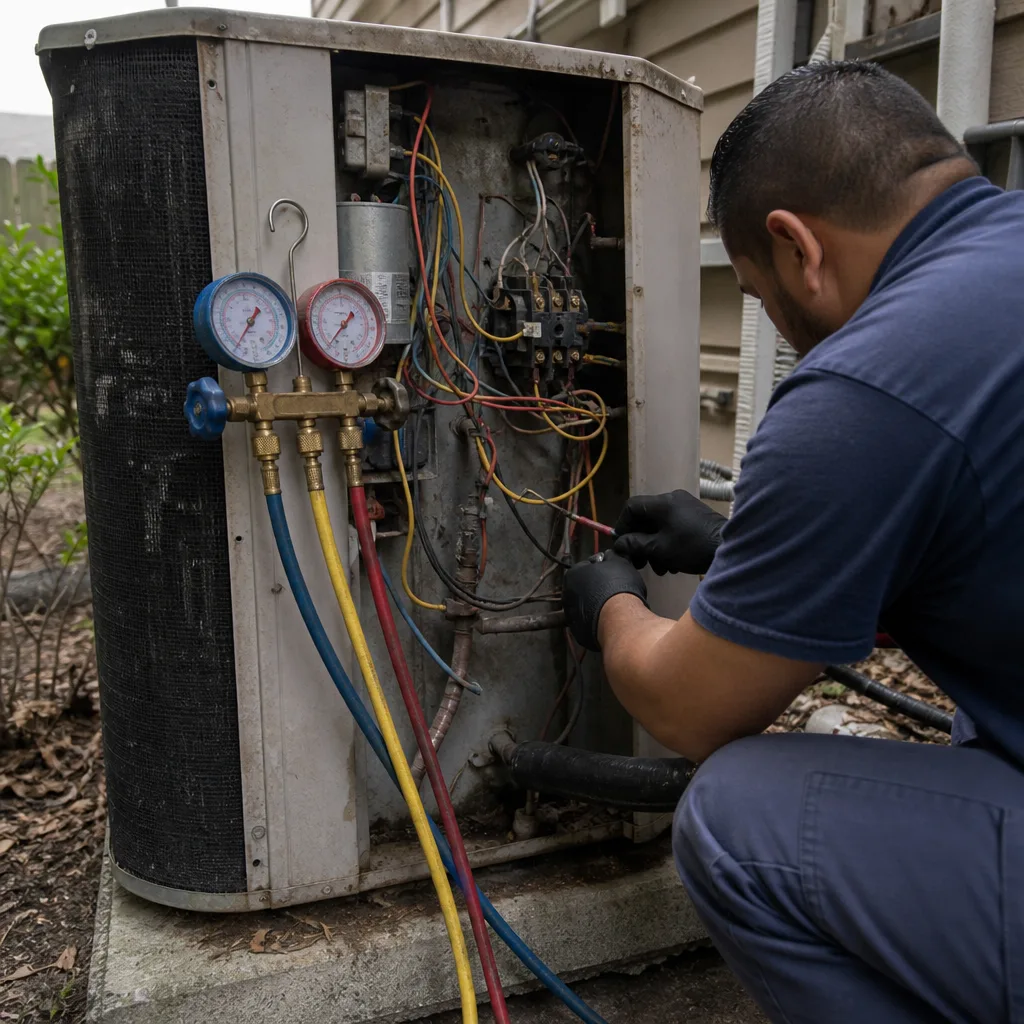 Before
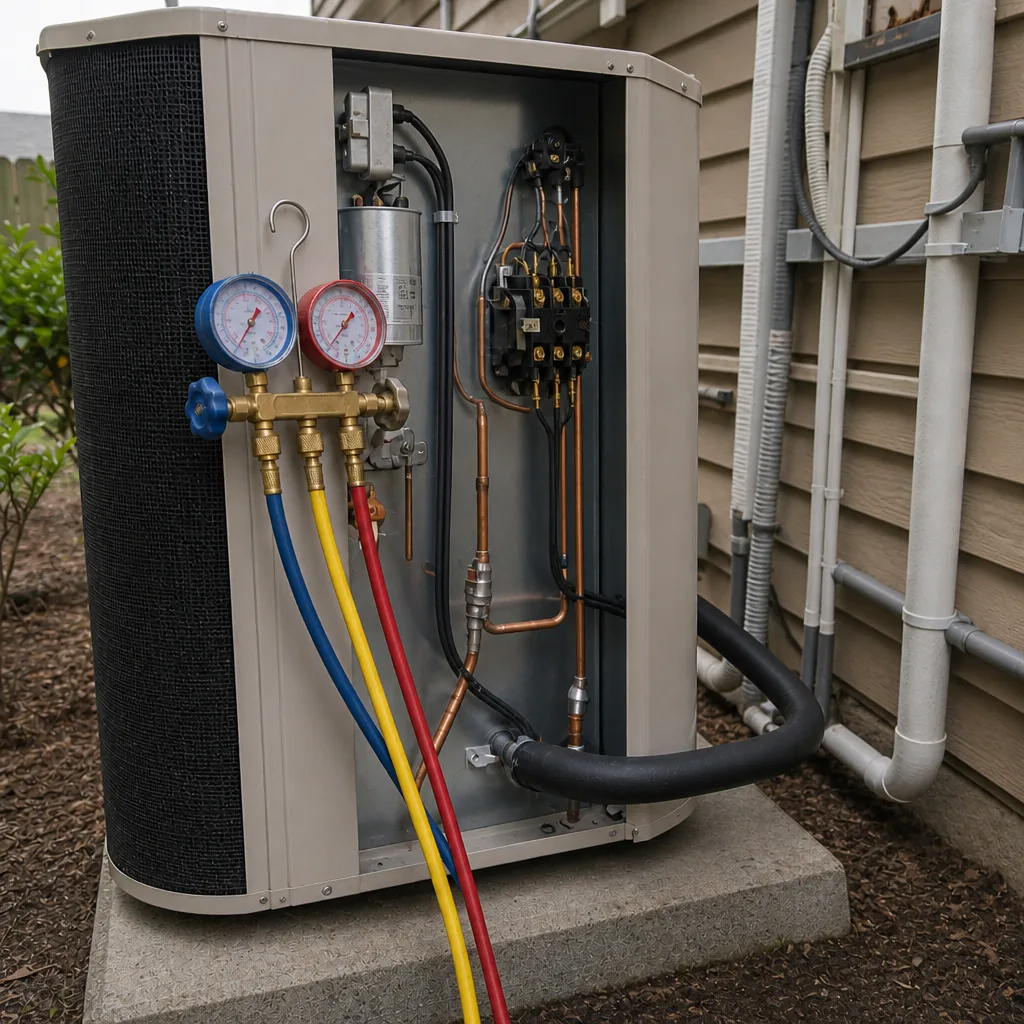 After
Common Mistakes to Avoid
- Running the AC with a frozen coil. It feels like the system is doing something, but it isn’t. The coil is iced over and the compressor is unprotected. Shut it off, run the fan to thaw, then call for diagnosis.
- Resetting a tripped breaker more than once. A breaker that trips again immediately is telling you something is wrong. Repeated resetting stresses the compressor and can damage it. One reset, then stop.
- Choosing a repair based on the smallest quoted number. A “quick fix” that skips the leak search or the airflow diagnosis will show up again in three weeks. Sugar Land’s summer heat doesn’t give slow repairs time to settle in.
- Topping off refrigerant without finding the leak. Refrigerant doesn’t run out. If the system is low, it’s leaking, and adding gas without locating the leak delays the actual repair.
- Calling during the outage, not before it. Peak-season service queues form early. The homeowners who call before their system fails get on the priority list and avoid the wait.
- Choosing an HVAC brand based on the sticker the technician’s truck happens to say. Ask whether the recommendation comes from your home’s actual load and budget, or from a dealer agreement. Every brand we work on is a brand we’ve seen succeed in Sugar Land homes.
- Ignoring a small water stain near the indoor unit. That stain is a warning. A clogged condensate line that’s already wetting the ceiling is a few days from a much bigger repair.
When to Call a Professional
Some failures are worth a call without a moment of hesitation. Others you can diagnose and handle on your own. The line between them matters in Sugar Land, where a hot afternoon indoors can become a health issue fast. Call when the breaker won’t stay reset, when the outdoor unit hums without starting, when airflow stops entirely, when you see ice on the copper lines and thawing didn’t fix it, or when refrigerant symptoms appear (weaker cooling over days, frost on the lines). Call if you have vulnerable household members and the indoor temperature is climbing past 85°F. Call if you smell burning or see scorch marks near the panel: those are electrical faults, not HVAC maintenance items. Delmar AC Repair offers free estimates in Sugar Land. Call (833) 968-5064. We answer 24/7 and provide fast dispatch from 7am to 7pm, Sunday through Friday. We work on Carrier, Trane, Lennox, Goodman, Rheem, York, Daikin, Bryant, and American Standard systems, so we arrive ready for whatever is on your wall.
Frequently Asked Questions
Check the thermostat (confirm it’s on COOL and the target temp is below room temp), reset the indoor and outdoor breakers once each, and look for ice on the indoor copper lines or a full condensate pan. Most failures can be categorized by these three checks within 15 minutes, and a technician arrives already knowing which direction to look. Call (833) 968-5064 if the reset doesn’t restore cooling – estimates are free.
During the hottest weeks, wait times can climb to days, so the fastest route is to avoid the queue by calling early and getting on a priority list. We answer 24/7, and a call outside dispatch hours is booked into the next opening, Sunday through Friday, 7am to 7pm. Call (833) 968-5064 to get on the schedule.
Yes. Switch the thermostat from COOL to FAN only, which turns off the compressor while the indoor fan thaws the coil. Once thawed, check the filter and try COOL again. If it freezes a second time, there’s a cause that needs diagnosis – low refrigerant or a restricted air path – and it won’t fix itself. Call (833) 968-5064 for an exact quote – estimates are free.
Signs include steadily weaker cooling over a week or more, frost or ice on the copper lines at the indoor coil, and a system that runs constantly without reaching the thermostat setting. Refrigerant doesn’t get used up, so a low reading means a leak. Do not add refrigerant without locating the leak; the right fix is to find it and repair it. Call (833) 968-5064 to schedule a diagnosis.
Yes. Heat pump emergency heat uses electrical resistance strips in the indoor unit and is designed for cold snaps when the outdoor unit can’t keep up. It costs more to run than the heat pump itself, but it’s the right move when indoor temps are dropping. If emergency heat doesn’t produce warm air, the strips or their circuit need service. Call (833) 968-5064.
We work on nine major manufacturers: Carrier, Trane, Lennox, Goodman, Rheem, York, Daikin, Bryant, and American Standard. If you’re in Sugar Land with a furnace, AC, or heat pump from one of these, we can diagnose and repair it, and we can quote a replacement from multiple brands. That means the recommendation reflects your home and budget, not a dealer agreement. Call (833) 968-5064 for a free estimate.
The Bottom Line
HVAC emergencies in Sugar Land follow predictable patterns, and that’s the good news. The five failure modes that send homes into emergency calls – tripped breakers, failed capacitors, refrigerant leaks, frozen coils, clogged drain lines – show up again and again, and each has a signature you can recognize in the first 30 minutes. Preparation before the season beats reaction during it. A saved contact, a spare filter, a labeled breaker, and a spring inspection make the difference between an afternoon of inconvenience and a multi-day cascade. For anything past a breaker reset or a filter change, call a professional. Delmar AC Repair handles AC installation, furnace repair, and furnace replacement for whatever brand is on your wall. For a free estimate, call (833) 968-5064. We answer 24/7, with fast dispatch from 7am to 7pm, Sunday through Friday. See our Sugar Land service page for what we cover.
Written by the team at Delmar AC Repair.