
Last updated November 15, 2026
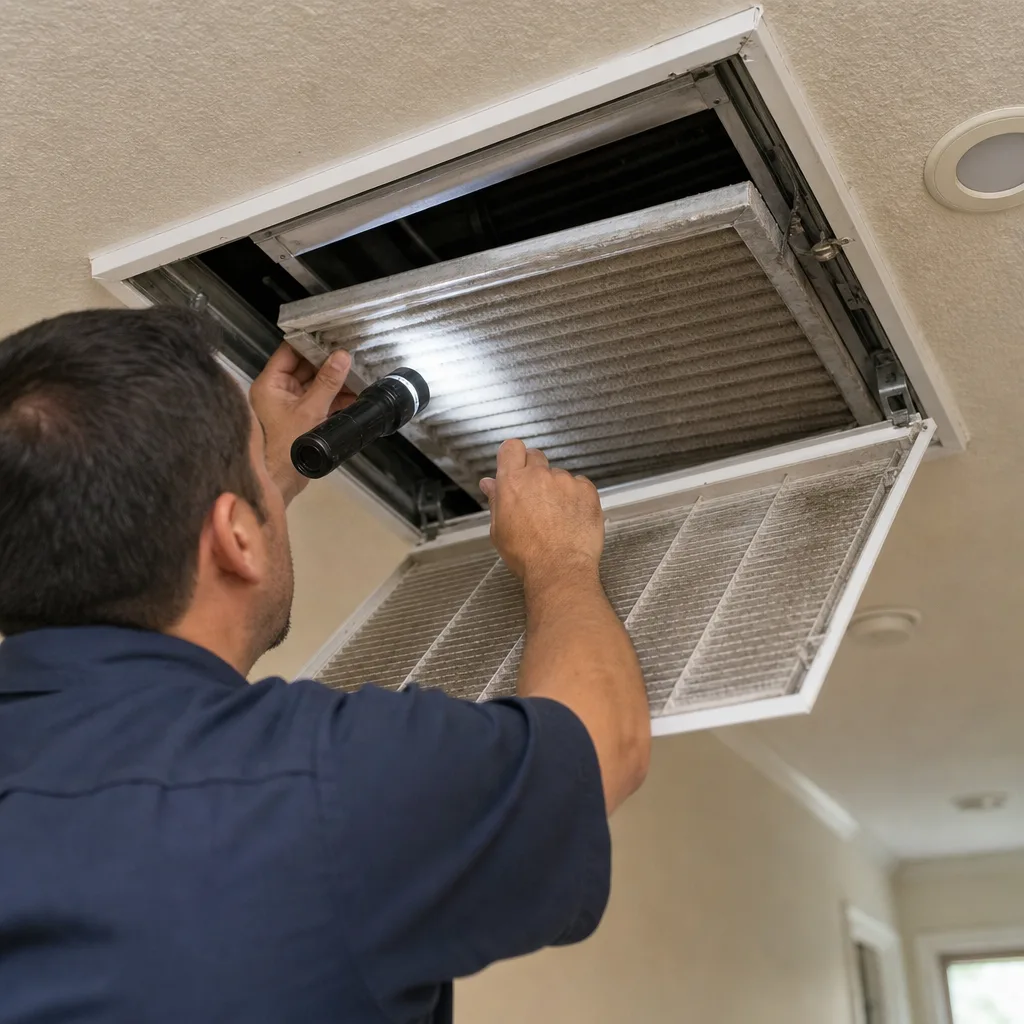
 AC repair
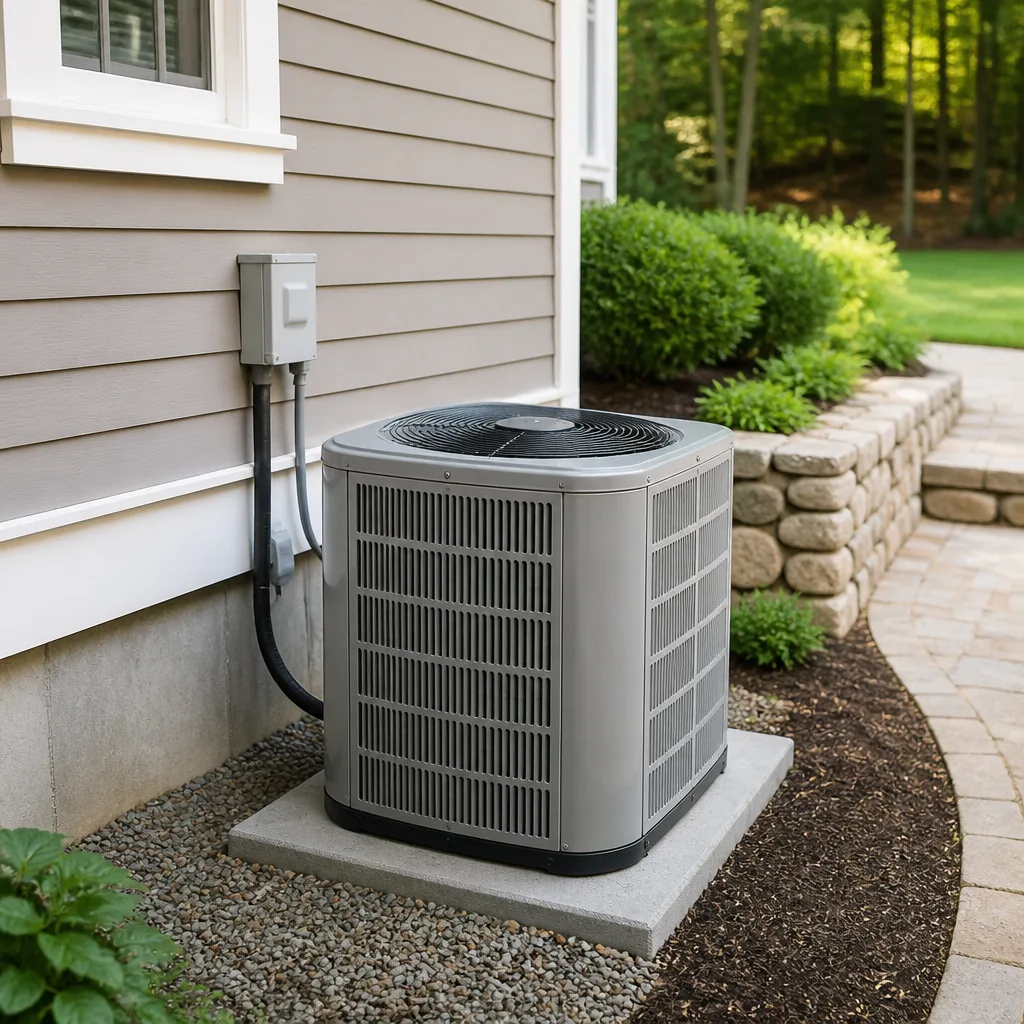
 Furnace & heating
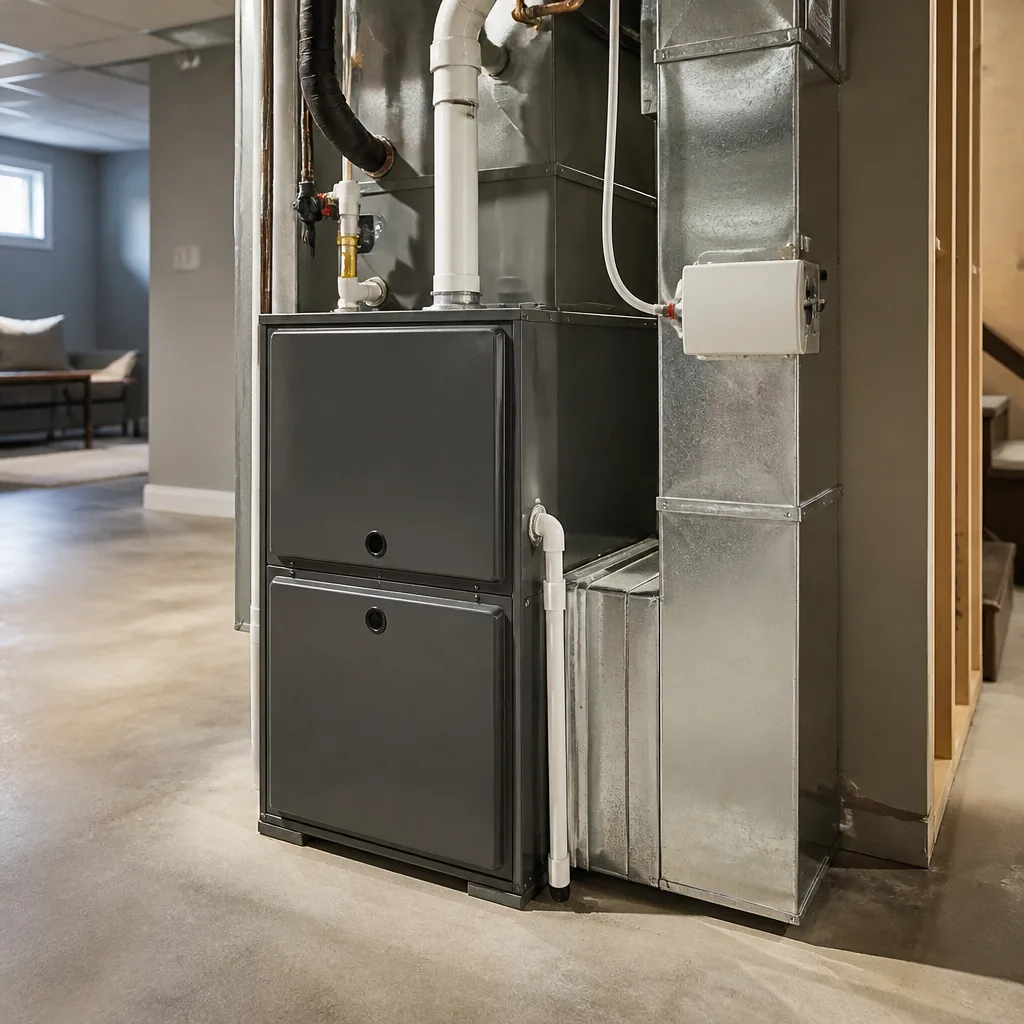
 Heat pumps
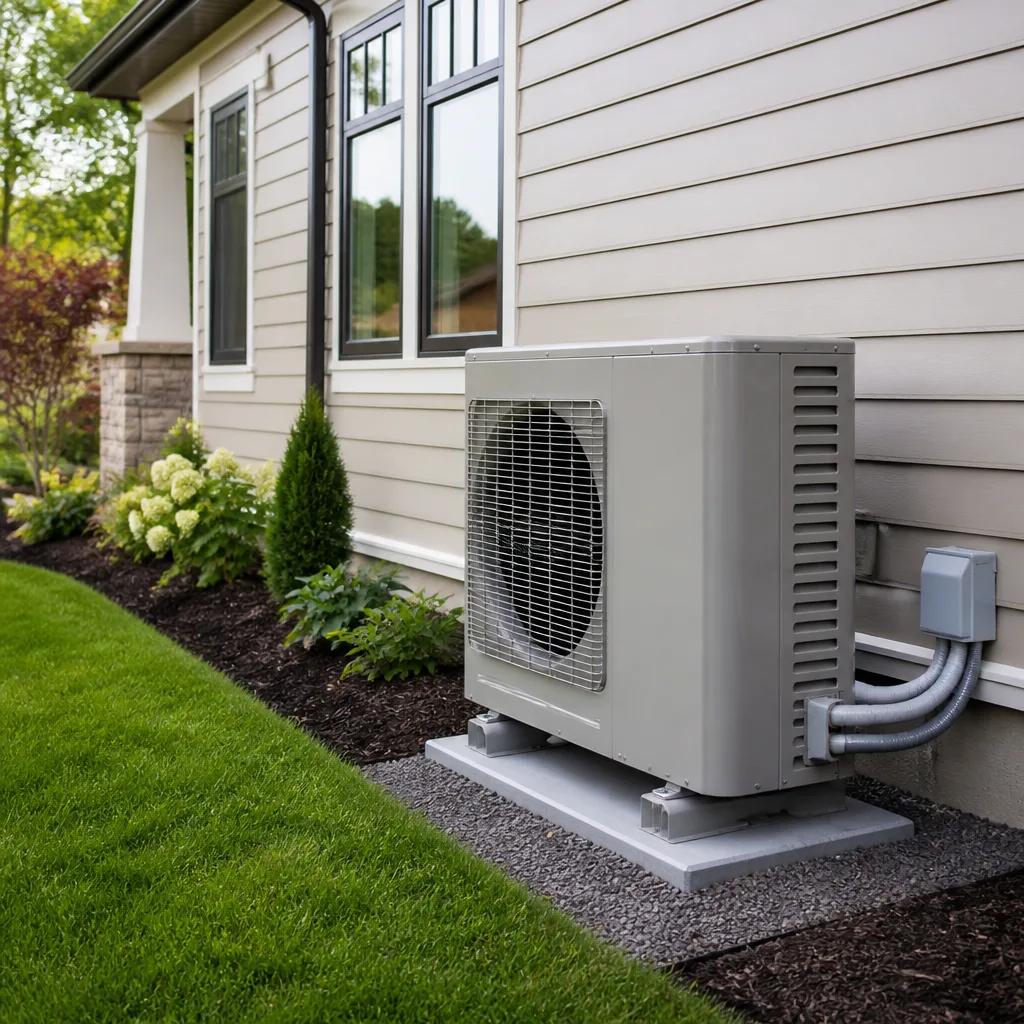
 Ductless mini splits
 Carrier
 Trane
 Goodman
Seasonal tune-up and full diagnostic on your Carrier, Trane, or Goodman system - readings shown to you before any repair is proposed
Diagnosis first, numbers second - you approve the repair price before a single part goes in.
Get your free estimateHVAC Permits, Codes & Inspections in Sugar Land, TX: What You Need to Know
Most homeowners assume the contractor handles the permit. That’s the misconception worth clearing up first. In Sugar Land, the permit is issued to you, the homeowner, and the inspection record follows the house, not the installer. If an unpermitted system later shows up in an insurance claim or a buyer’s inspection, the paperwork problem lands on your side of the table. This guide walks through which HVAC jobs actually need a City of Sugar Land permit, how the process runs on the ground, the Fort Bend County jurisdiction split, the Texas-adopted energy code rules that apply to new Sugar Land installations, and what to do if you discover someone else’s unpermitted work.
Quick Answer
In Sugar Land, a full HVAC system replacement, a new install, or any work that changes the equipment’s capacity, efficiency rating, or electrical circuit requires a City of Sugar Land permit and inspection. Straight repair work – swapping a thermostat, replacing a blower motor, a like-for-like coil replacement with no refrigerant-circuit or capacity change – generally falls under repair exemption. The permit is pulled in the homeowner’s name, and the homeowner is legally responsible for making sure the inspection happens.
Styles & brands we work with
- AC repair
- Furnace & heating
- Heat pumps
- Ductless mini splits
- Carrier
- Trane
- Goodman
Table of Contents
- Which HVAC Jobs Need a Permit in Sugar Land?
- How the Sugar Land Permit Process Actually Works
- City of Sugar Land vs. Fort Bend County: Which Code Applies?
- Texas Energy Code Rules That Apply to New Sugar Land HVAC Installs
- What the Inspector Checks – and What Gets Missed
- What to Do About Unpermitted HVAC Work From a Previous Owner
- Common Mistakes to Avoid
- When to Call a Professional
Which HVAC Jobs Need a Permit in Sugar Land?
The line isn’t about how big the job feels to you. It’s about whether the work changes the system’s capacity, its energy performance, or the electrical and refrigerant circuits feeding it. A $10,000 system swap and a $75 thermostat can both feel like “HVAC work,” but only one of them touches the permit window. Here’s how the split usually falls in Sugar Land.
Jobs that typically require a permit
- Full system replacement – condenser and air handler or furnace swapped together, even at the same tonnage. The new equipment carries a different efficiency rating, so the permit is how the city records it.
- New installation in a new or remodeled space – a mini-split for a converted garage, a system for an addition, anything that didn’t exist in the building’s HVAC footprint before.
- Capacity changes – moving from a 3-ton to a 4-ton condenser, or changing the air handler to a larger one. Load calculation shifts, and that’s a permitting event.
- Duct system replacement or major reconfiguration – new trunk lines, added zones, or anything that changes the sealed duct envelope. Duct leakage limits tie directly to the permit inspection.
- Electrical circuit changes for the equipment – a new disconnect, a new breaker, larger wire gauge to meet a new unit’s amp draw.
- Relocating the outdoor condenser or air handler – even to a different pad or a different wall of the house.
Jobs that usually qualify as repair and skip the permit
- A thermostat swap, including upgrading to a programmable or smart unit, on the same wiring.
- Blower motor, capacitor, contactor, or control board replacement – component-level repair on the same equipment.
- Refrigerant leak repair and recharge on existing equipment.
- A like-for-like coil replacement where the tonnage and the matched equipment line stay the same. This is a gray area that depends on the specific unit and the city’s read on the job, so it’s worth confirming before work starts.
- Cleaning, filter changes, and general service calls.
When a job sits on the fence – a coil-only replacement on a Trane or Lennox system that’s near end of life, for example – we call it in before quoting it. Getting a yes on the front end costs nothing. Getting a “why is there no permit?” on the back end costs a lot more. If you’re not sure which side your job lands on, this is one of the first questions worth asking the contractor before anything gets ordered.
How the Sugar Land Permit Process Actually Works
Here’s the part that catches people off guard: the permit application goes in with the homeowner as the applicant, even when the contractor does the paperwork and pulls it. That means the record is in your name, your address, and your property file. When a buyer’s inspector pulls city records years later, the permit is attached to you, not to the company that installed the equipment.
The process in Sugar Land runs in roughly this order:
- Load calculation and equipment selection. Before a permit can be filed, the contractor needs to know what equipment is going in – model, tonnage, efficiency rating. On a system replacement, that means running a proper load calculation on the house, not just matching the old unit’s nameplate.
- Permit application. The contractor files with the City of Sugar Land’s building department, listing the scope, the equipment specs, and the contractor’s state license. Expect a short turnaround on a straightforward residential HVAC permit; plan on longer if the scope is unusual or the property has any open permits from prior work.
- Permit issuance. Once issued, work can begin. The permit has to be visibly posted or available at the site while work is in progress.
- Rough-in and final inspection. Most residential HVAC replacements in Sugar Land are handled with a single final inspection after the work is complete. Larger scope – duct replacement, new electrical, new equipment location – can require a rough inspection before the system is finished.
- Inspection scheduling. Your contractor requests the inspection through the city, and the city schedules it. The homeowner can also confirm the inspection has been requested and passed, which is worth doing as a sanity check. Once the inspector signs off, the permit is closed and the record is clean.
What surprises homeowners most is the timing. A permit that’s issued the same week still needs the inspection scheduled after the work is complete, and that schedule is set by the city, not the contractor. On a midsummer replacement in Sugar Land, when the city is busy, the gap between “system running” and “permit closed” can be a couple of weeks. That’s normal, and it doesn’t mean anything is wrong. What matters is that the inspection actually happens and closes out. If you’re selling or refinancing, an open permit is a red flag on the title search.
City of Sugar Land vs. Fort Bend County: Which Code Applies?
Sugar Land is largely a Fort Bend County city, but the county and the city run separate permitting and code enforcement systems, and which one applies depends on exactly where the property sits. Properties inside the Sugar Land city limits answer to the City of Sugar Land’s building department. Properties in the unincorporated stretches of Fort Bend County – including areas adjacent to Sugar Land that carry a Sugar Land mailing address – can fall under county permitting and county code enforcement instead.
The confusion is real for a couple of reasons. Mailing addresses don’t settle the question; an address that says “Sugar Land, TX” can sit outside the city limits. And there’s a small slice of Sugar Land that extends into Harris County, which means a third set of rules for properties in that boundary.
How to sort out which one applies:
- Check the Fort Bend County appraisal district record for the property. It states the taxing jurisdictions, and that’s usually the fastest signal.
- Look at the city’s GIS or call the City of Sugar Land building department and ask if the address is inside the city limits.
- If the property is in unincorporated Fort Bend County, call the county’s permitting office and ask what applies to HVAC replacement at that address.
- If there’s any overlap with Harris County, confirm with the Harris County office before accepting a contractor’s word on it.
This is where we’ve seen the most avoidable trouble. A contractor who mostly works inside Sugar Land proper can quote a replacement and pull the wrong jurisdiction’s permit – or worse, assume the job is exempt based on Sugar Land rules when the property is actually under Fort Bend County enforcement. The result is an inspection that never happens, and a discovered problem at sale. Asking the contractor “which jurisdiction is this property in, and which office are you filing with?” is a fair question at quote time.
Texas Energy Code Rules That Apply to New Sugar Land HVAC Installs
Texas adopts the International Energy Conservation Code (IECC) as its base residential energy code, and Sugar Land enforces it on new HVAC work. The short version for a homeowner: the equipment going in has to meet a minimum efficiency standard, the ducts have to meet a leakage limit, and the envelope details the inspector looks at are set by code, not by the contractor’s preference. If you’re weighing equipment options, this is the section that governs which systems are even eligible.
The rules that come up most on Sugar Land HVAC installs:
- Minimum SEER2 rating for new equipment. SEER2 is the updated efficiency measure that replaced SEER on new equipment, and new installs have to meet a minimum SEER2 threshold. What that threshold is depends on which region of Texas the home is in – the state is split into climate zones, and the minimums shift accordingly.
- Duct leakage limits. New or replaced duct systems have to meet a leakage limit, verified by testing. That means the ducts get sealed and pressure-tested, not just taped. Leaky ducts in a hot attic are one of the biggest hidden efficiency losses in Sugar Land homes, and the code treats them accordingly.
- Insulation requirements. Attic insulation, duct insulation, and the barrier between conditioned and unconditioned space all have minimum requirements. The inspector checks the R-values match the plan.
- Equipment sizing. The code requires the equipment to be sized against the home’s actual load calculation, not a rule of thumb. Oversizing a unit for a Sugar Land home is a code issue, not just a comfort issue – an oversized unit short-cycles, dehumidifies poorly, and wears out faster.
- Thermostat and controls requirements, including programmable capability on new installs.
For homeowners, the practical implication is that a contractor who skips the load calculation and just matches the old tonnage is either doing the paperwork twice or doing it wrong. Same for a contractor who installs equipment below the minimum SEER2 for the region. A good sign at quote time: the contractor talks about load calculation and duct leakage limits without being prompted.
What the Inspector Checks – and What Gets Missed
The final inspection is not a full system test. It’s a checklist of code-related items, and knowing what’s on it tells you what a clean pass actually means. On a typical Sugar Land residential HVAC replacement, the inspector is looking at:
- Permit and paperwork match. The equipment installed matches what was listed on the permit application – model, efficiency rating, tonnage.
- Equipment location and clearances. The outdoor unit and air handler sit per the plan, with correct clearances from walls and access panels.
- Refrigerant line and electrical connections. Line set properly supported and insulated, disconnect present, proper breaker size for the equipment.
- Condensate management. Primary drain routed and trapped correctly, secondary or emergency drain in place, pan and float switch if required.
- Duct sealing and leakage test results. If the duct system is part of the scope, the leakage test results have to meet the limit and be documented.
- Insulation values. Attic insulation, duct insulation, and any barrier separating conditioned from unconditioned space at their required R-values.
- Combustion air and venting on a furnace, if applicable. Gas furnace installs need correct venting and combustion air. This is where a lot of missed items live.
- Load calculation documentation. The manual J or equivalent, showing the equipment matches the home’s load.
Here’s what the inspection is not checking. It’s not verifying the refrigerant charge is dialed in, though that’s what makes the system run at its rated efficiency. It’s not confirming the thermostat is configured correctly for your home’s zones, staging, and schedule. It’s not verifying the airflow is balanced across rooms, which matters a lot in the two-story Sugar Land homes in First Colony and Riverstone where the upstairs and downstairs can drift several degrees apart. It’s not confirming the static pressure is within the air handler’s spec, which is a common hidden cause of premature equipment wear. Those are all contractor quality issues, not permit issues. A permit pass just means the code items are right; a good install means the system actually performs as designed.
In our experience, the two things most likely to trip an inspection are duct leakage results that come in over the limit (often because the sealing work was rushed) and undocumented equipment sizing. Both are fixable before the inspector arrives if the contractor is paying attention. If your system was installed and the permit shows as still open months later, it’s worth calling the contractor to find out why.
What to Do About Unpermitted HVAC Work From a Previous Owner
Discovering an unpermitted system during a home sale, a refinance, or an insurance update is more common than homeowners expect. The good news is that there’s usually a path to compliance, but the sequence matters and doing it out of order costs time and money. Here’s the realistic playbook:
- Pull the permit history. Contact the City of Sugar Land building department (or Fort Bend County, if the property is unincorporated) and request the permit record for the address. This tells you what was filed, when, and whether any permits were left open.
- Get the equipment inspected by a licensed HVAC contractor. The contractor needs to verify the equipment as installed – model, tonnage, efficiency rating, electrical, refrigerant circuit, condensate routing, duct condition. If the equipment is below the minimum SEER2 for the region, that’s a finding you need to know about now, not at closing.
- File for a retroactive permit through the contractor. Most jurisdictions have a process for permitting existing, unpermitted work as long as the installation passes current code. The contractor files the permit with the actual equipment specs, and the inspector examines what’s there.
- Correct and re-inspect what fails. If the install has issues – undersized electrical, unsealed ducts, an inaccessible air handler – those get corrected, and the inspection gets re-run until it passes.
- Close the permit in the public record. Once it passes, the record is clean. That record is what protects you at sale, at refinance, and if you ever file a claim.
The trap is assuming pre-existing unpermitted work isn’t your problem. It is, once you’re the owner. The permit is in the owner’s name. If the system fails and your insurer discovers there’s no inspection on file, the claim conversation gets harder – not automatically denied, but harder. In a sale, the buyer’s inspector will pull the public record, and an open or missing permit turns into a negotiation lever. Getting ahead of it before any of that happens is much easier than reacting after.
On the plus side, most retroactive permitting on HVAC equipment is straightforward. It’s paperwork, a proper inspection, and whatever corrections turn up. A contractor who works with the city regularly can usually tell you within the first walkthrough what the outcome is likely to be and what it’ll cost to close out the permit.
Common Mistakes to Avoid
- Assuming the contractor is automatically pulling the permit. The permit is in the homeowner’s name, and pulling it is a cost to the contractor. Confirm the permit is being filed, ask for the permit number, and confirm the inspection is scheduled after work is done. Don’t assume.
- Trusting the mailing address to settle jurisdiction. A “Sugar Land, TX” address can sit outside city limits and fall under Fort Bend County code enforcement. Verify through the county appraisal district record or the city directly before accepting quotes built on the wrong rules.
- Treating a like-for-like coil swap as automatically exempt. A coil-only replacement sometimes qualifies as repair and sometimes doesn’t, depending on the system and the job. Confirm with the city or the contractor before work starts. Doing it in reverse order leaves you cleaning up after the fact.
- Letting the contractor skip the load calculation. Oversizing on a Sugar Land home is a comfort problem and a code problem. If the quote doesn’t include a load calculation, the equipment selection is a guess – and the permit inspection requires documentation of proper sizing anyway.
- Skipping the duct leakage test on a duct replacement. The IECC leakage limit is enforced, and the test results are part of the permit file. A contractor who offers to “leave the ducts as-is” on a full replacement is creating an inspection problem downstream.
- Assuming the inspection means the install is dialed in. The inspector checks code items, not refrigerant charge, airflow balance, or thermostat setup. Those are on the contractor. A clean inspection is the floor, not the ceiling.
- Discovering unpermitted work at closing. Pull the permit history before listing or buying. A quick records check is far cheaper than an open permit that surfaces ten days before a sale closes.
When to Call a Professional
If a contractor is telling you no permit is needed on a full system replacement in Sugar Land, that’s a call worth making before anything gets ordered. Same if you’ve inherited a home with an unpermitted system and need to know what closing it out will take, if you’re quoting a replacement and want the load calculation and energy-code requirements handled correctly, or if your inspector flagged something on a system that was installed years ago. Those are not DIY-triage questions; the paperwork and the equipment decisions intertwine, and the sequence matters. Delmar AC Repair offers free estimates in Sugar Land. Call (833) 968-5064 and we’ll walk through your situation, tell you which jurisdiction applies, and give you a written estimate that covers the permit and inspection. We answer 24/7. Fast dispatch from 7am to 7pm, Sunday through Friday.
See the difference
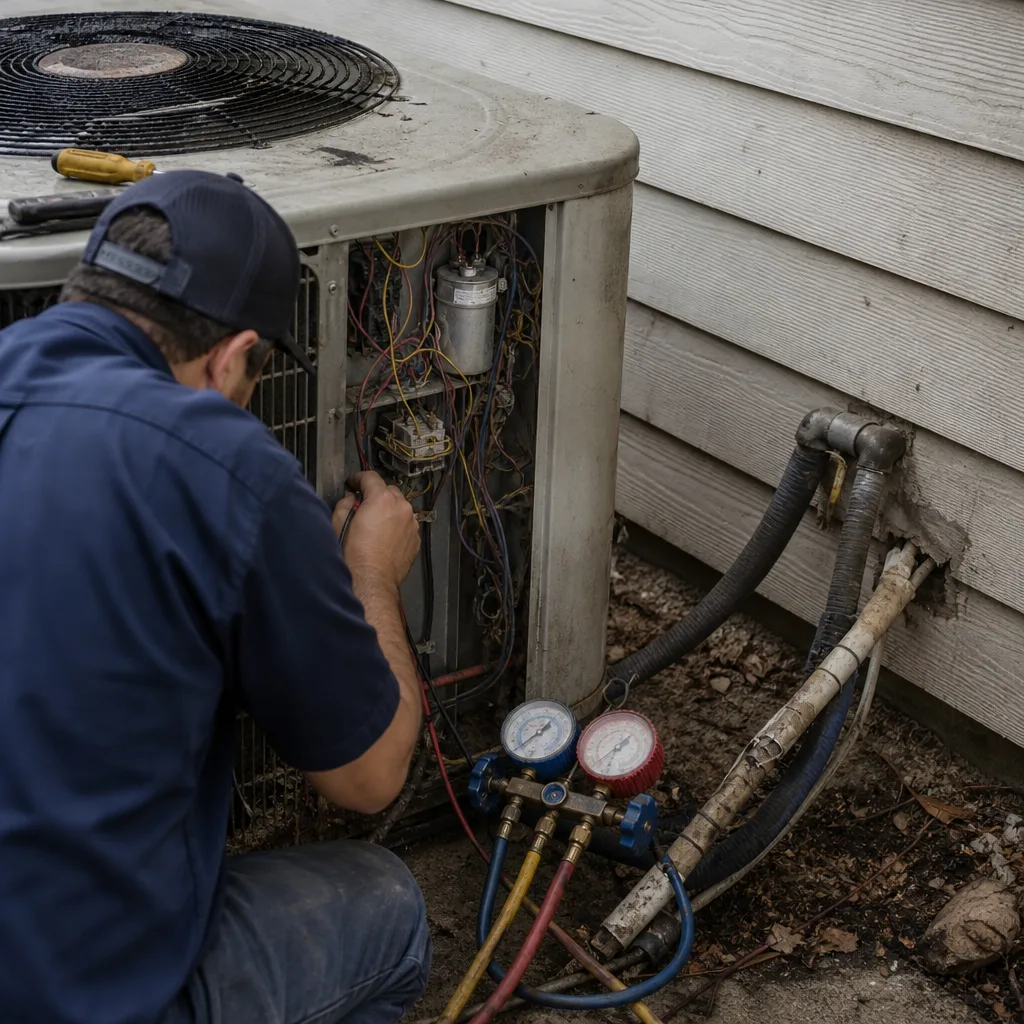 Before
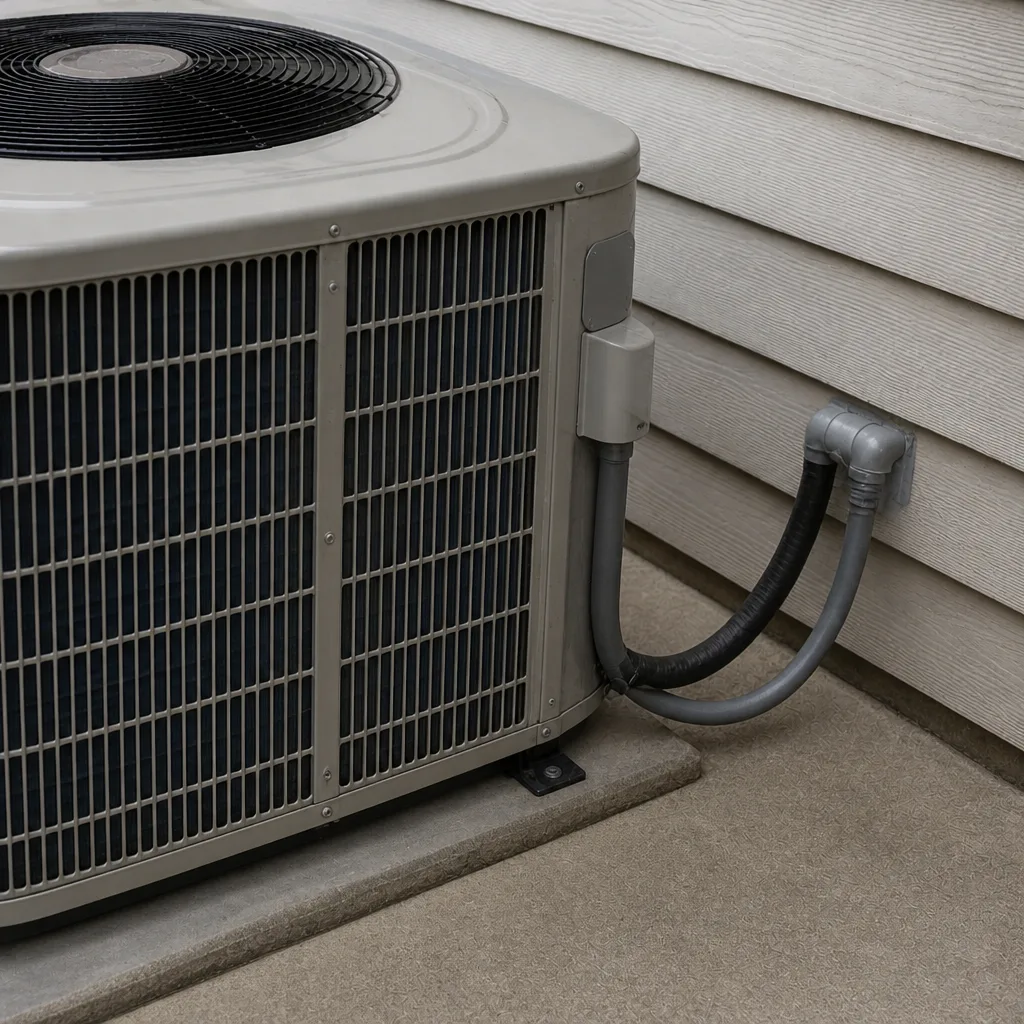 After
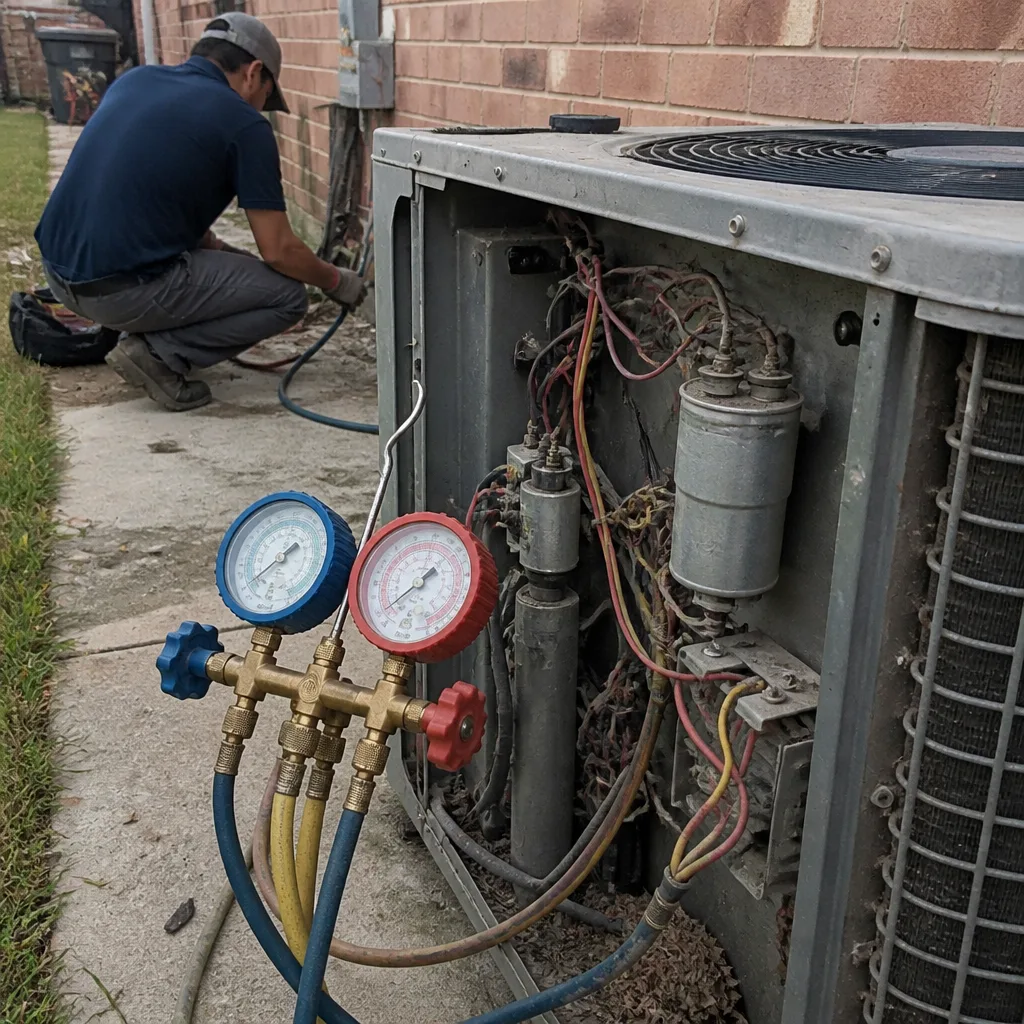 Before
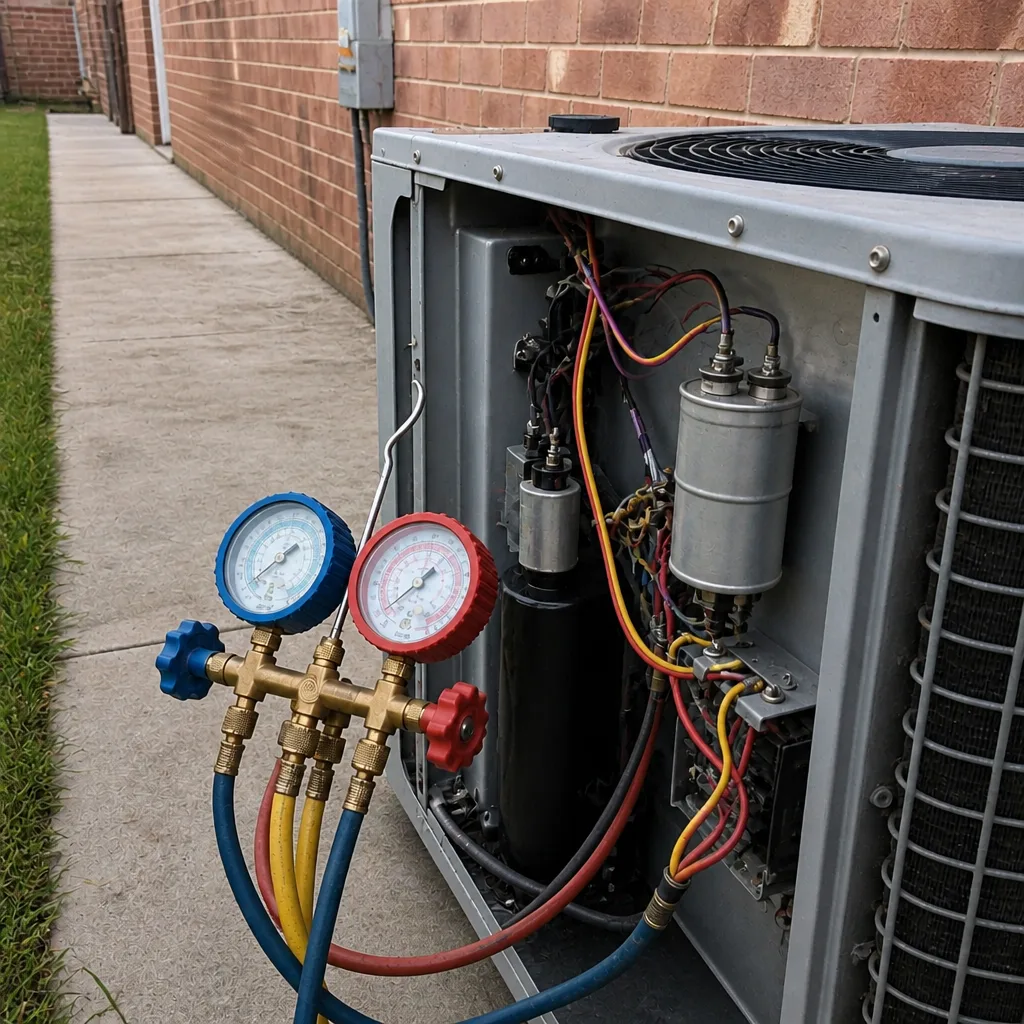 After
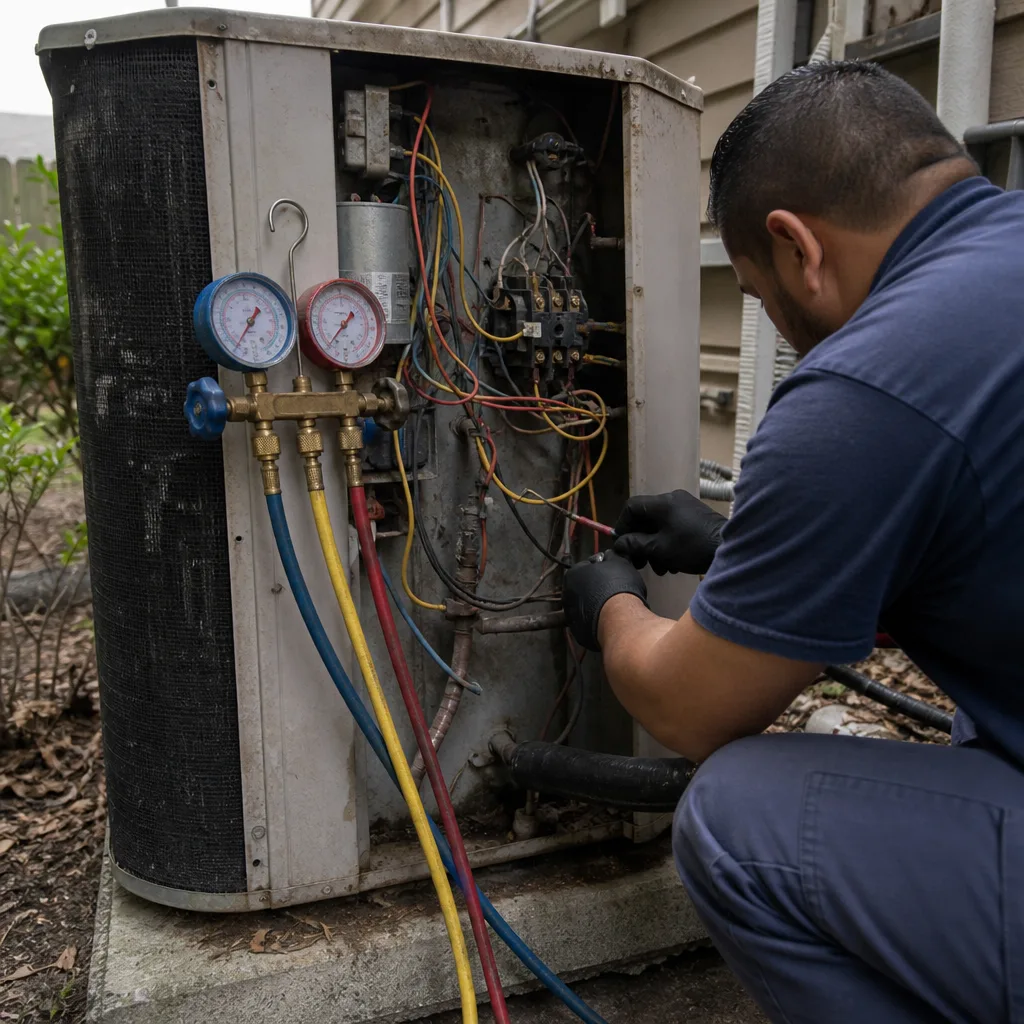 Before
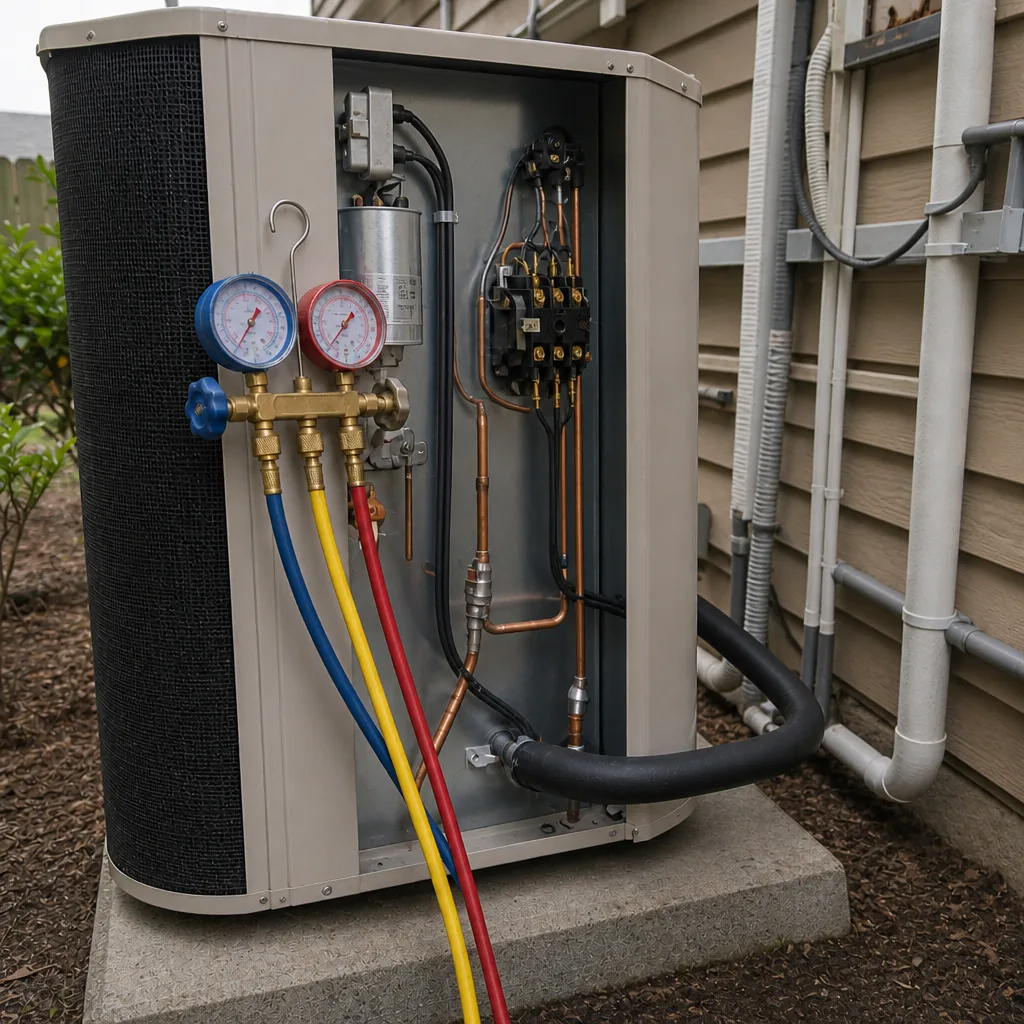 After
Frequently Asked Questions
Yes. A full system replacement – condenser and air handler or furnace together – requires a City of Sugar Land permit and inspection, even at the same tonnage. The efficiency rating and equipment specs change, and the permit is how that change gets recorded. In unincorporated Fort Bend County, the county permitting process applies instead. Call (833) 968-5064 for an exact quote on your replacement; estimates are free.
The homeowner. In Sugar Land, the permit is issued in the property owner’s name, and the record sits with the house, not the installer. The contractor files the paperwork and schedules the inspection, but if the inspection never happens, the open permit stays on the owner’s record. Ask for the permit number and confirm the inspection closes out. Call (833) 968-5064 if you need to verify where a job stands.
No – a like-for-like full system replacement still requires a permit. The efficiency rating of the new equipment is different from the old, and code requires documentation of proper equipment sizing and duct leakage limits. The narrow exemption is for component-level repair work on the existing system, not a full swap. Call (833) 968-5064 if you’re not sure which category your job falls under; we’ll tell you straight.
Permit issuance on a straightforward residential HVAC replacement is usually a short turnaround, and inspection scheduling happens after the work is complete and set by the city. In a busy season, the gap between “system running” and “permit closed” can stretch a couple of weeks. That’s normal. What matters is that the inspection happens. Call (833) 968-5064 to schedule a free estimate and we’ll walk through the timeline for your specific job.
The permit shows up on the public record and the buyer’s inspector will find it. That typically turns into a price negotiation or a repair requirement at closing. The fix is usually retroactive permitting – the equipment gets inspected, corrections made, and the permit closed. It’s far easier to do this before listing than ten days before closing. Call (833) 968-5064 and we can help you figure out what closing out an open permit will involve.
Yes. We file the permit for your replacement or install, handle the load calculation and energy-code documentation, schedule the inspection, and confirm it closes out. We work on whatever system you already have – Carrier, Trane, Lennox, Goodman, Rheem, York, Daikin, Bryant, or American Standard – and we don’t push a brand based on a dealer agreement. If you’re weighing repair against replacement, we’ll size the recommendation to your home and your budget. Call (833) 968-5064 for a free estimate.
The Bottom Line
The permit is not a formality the contractor handles in the background. It’s a public record in your name that follows your house through sales, refinances, and insurance claims. Get the jurisdiction right – City of Sugar Land or Fort Bend County – and confirm which job categories require a permit before work starts. Expect a load calculation and a duct leakage test on any replacement, because the Texas-adopted IECC requires both. If unpermitted work surfaces from a previous owner, retroactive permitting is usually the cleanest path, and it’s much easier before a sale than after. A straight answer on the paperwork at quote time is worth asking for.
If you’re ready to move forward on a replacement or need to sort out a permit question, AC installation and furnace repair work in Sugar Land is what we do. Our technicians have up to 15 years of experience, and every estimate is free and written. Call (833) 968-5064. We answer 24/7. Fast dispatch from 7am to 7pm, Sunday through Friday.
Written by the team at Delmar AC Repair.