
Last updated November 15, 2026
 AC repair
 Furnace & heating
 Heat pumps
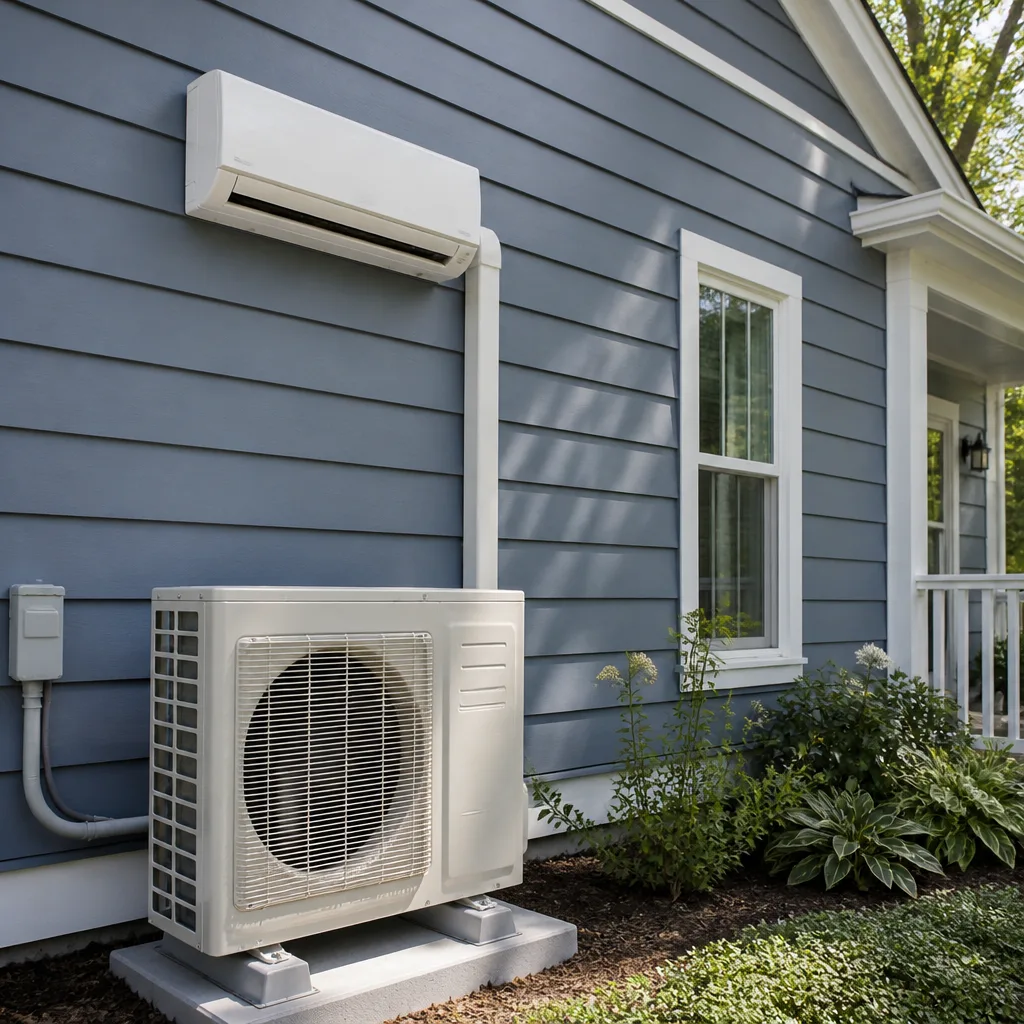 Ductless mini splits
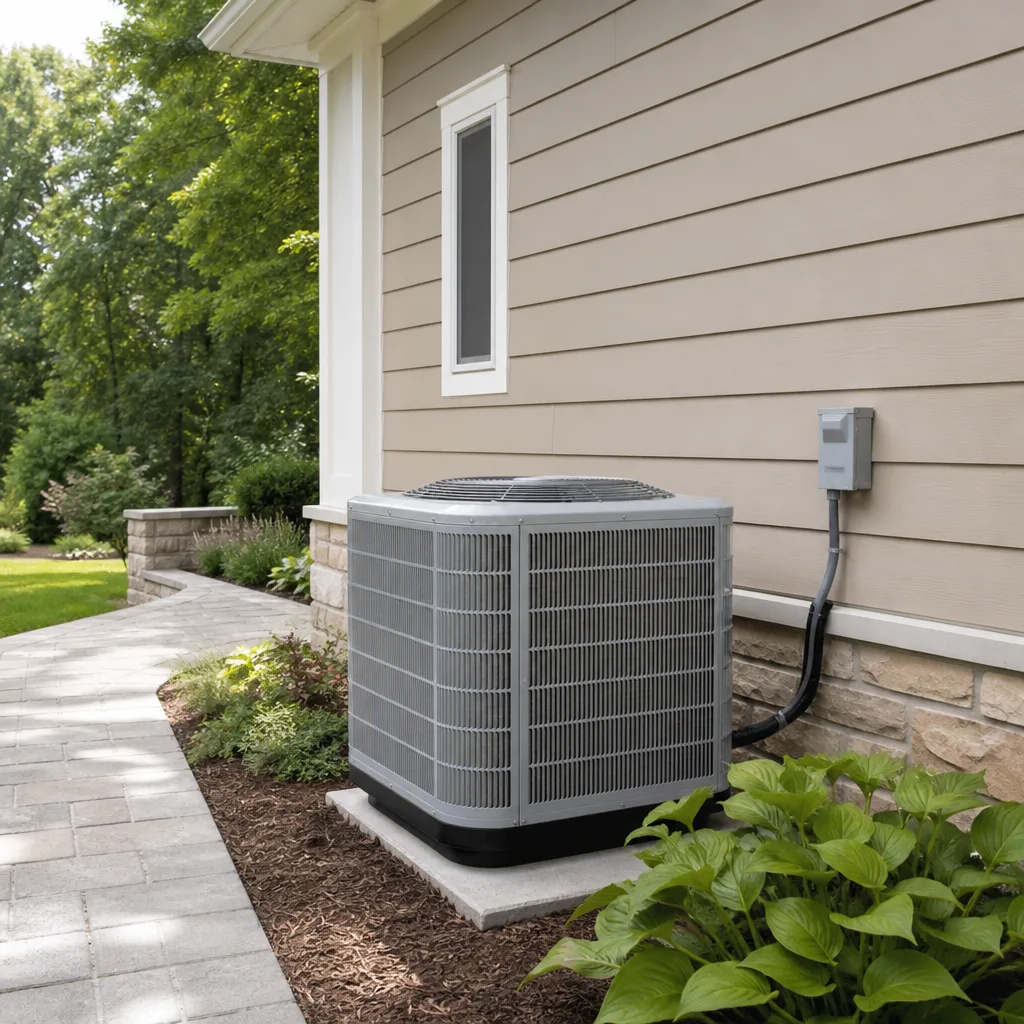 Carrier
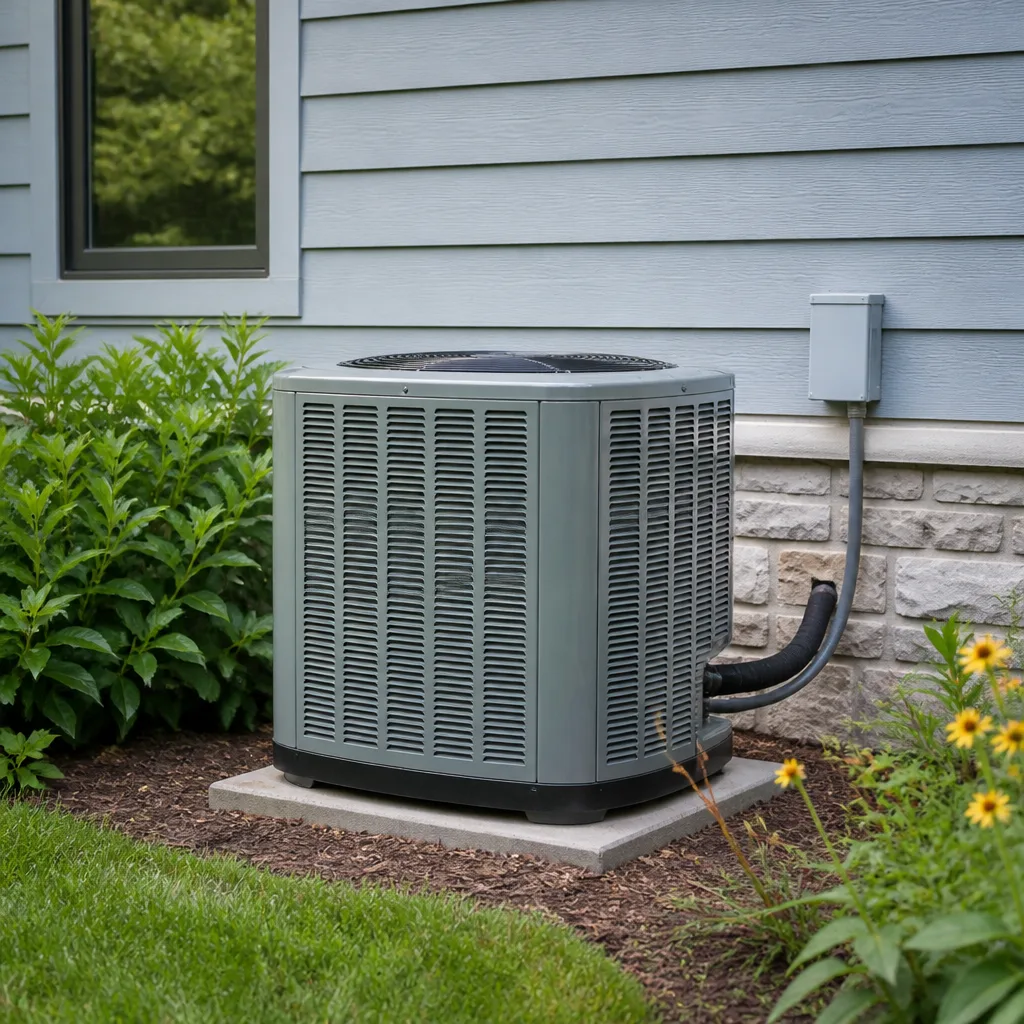 Trane
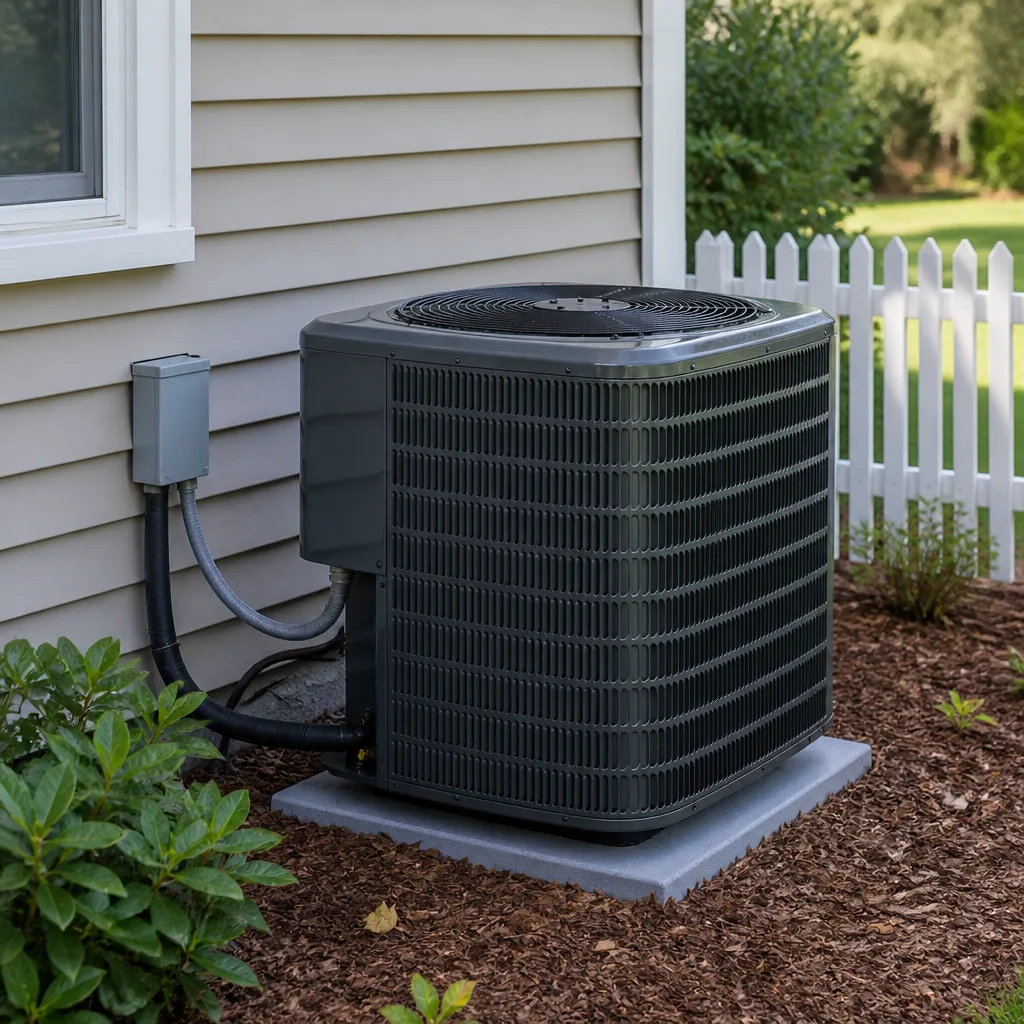 Goodman
Seasonal tune-up and full diagnostic on your Carrier, Trane, or Goodman system - readings shown to you before any repair is proposed
Diagnosis first, numbers second - you approve the repair price before a single part goes in.
Get your free estimateHVAC Warning Signs: A Sugar Land Homeowner’s Reference Guide
A refrigerant leak and a dirty evaporator coil can produce nearly identical symptoms: warm air from the vents, rising indoor humidity, and a system that runs far longer than it should. One is a relatively minor service call. The other can climb toward four figures once you account for leak detection, repair, and a proper recharge. In our experience, the difference between catching the cheap problem and the expensive one comes down to knowing what each symptom actually means, and how fast it needs attention. This guide ranks the warning signs we see in Sugar Land by urgency, explains the mechanical reason behind each one, and shows you how to tell a nuisance from a failure before it gets costly.
Quick Answer
The most urgent HVAC warning signs in Sugar Land are ice or frost on refrigerant lines during warm weather, a system that short-cycles every few minutes on a hot, humid day, and a persistent chemical or sweet smell near the air handler. Schedule routine issues like weak airflow, a single uneven room, or a slightly rising utility bill within two weeks, and log everything else for monitoring. When in doubt, the cost of a diagnostic visit is small next to the cost of a compressor or a failed coil.
Styles & brands we work with
- AC repair
- Furnace & heating
- Heat pumps
- Ductless mini splits
- Carrier
- Trane
- Goodman
Table of Contents
- The Three-Tier Urgency Framework
- Sugar Land-Specific Warning Signs
- Sounds That Matter and Sounds That Don’t
- Using Your Thermostat Data and Utility Bills as Early Warning Instruments
- How Warning Signs Differ by System Age
- What to Check Before You Call
- Common Mistakes to Avoid
- When to Call a Professional
The Three-Tier Urgency Framework
Not every warning sign deserves an immediate phone call. Some do. Treating a minor symptom as an emergency wastes money, and ignoring a serious one wastes a lot more. Here’s how we sort them.
Tier 1: Call Within 24 Hours
These signals point to problems that can damage the compressor or the coil if left alone. Act quickly.
- Ice or frost on the indoor or outdoor refrigerant lines during hot weather
- Short-cycling every few minutes, especially on a humid day
- A sweet, chemical, or burning smell near the air handler
- Water pooling around the indoor unit or a ceiling stain below it
- The system runs but delivers no cooling at all
Tier 2: Schedule Within Two Weeks
These are real problems, but they won’t destroy the system overnight. Book a visit and get them addressed before they become Tier 1.
- One room consistently warmer than the rest of the house
- Airflow that feels noticeably weaker than it used to
- Utility bills creeping up while your habits haven’t changed
- The system runs longer cycles than it did last summer
- Condensate draining more than usual or a gurgling drain line
Tier 3: Monitor and Log
These are observations, not necessarily failures. Write down the date and what you noticed. If the pattern repeats or worsens, move it up to Tier 2.
- Occasional clicks or pops when the system starts or stops
- A slightly louder outdoor unit on the hottest days
- Minor temperature swings between morning and afternoon
The framework matters because the cost spread is real. In Sugar Land, diagnosing and fixing a restricted coil or a small refrigerant leak typically lands in the low hundreds. A compressor replacement after months of short-cycling can run into the thousands. Catch the symptom early and you’re in the first category. Ignore it and you’re in the second.
Sugar Land-Specific Warning Signs
Sugar Land’s climate is hard on HVAC systems in ways that homeowners relocating from drier or more temperate regions don’t expect. The long cooling season, the persistent humidity, and the Gulf moisture load mean your system runs far more hours per year than the national average. That changes which symptoms matter.
Excessive Condensate Draining
During humid months, your air handler pulls a lot of water out of the air. Some condensation is normal. But if you’re emptying a full drain pan weekly or seeing water stains near the indoor unit, the coil may be fouled or the drain line partially clogged. In Sugar Land’s humidity, a slow drain line can turn into a flooded closet within a couple of weeks. Clear it early, not after the drywall gets wet.
Short-Cycling During Humidity Spikes
If your system cycles on and off every few minutes on a muggy afternoon, that’s not normal. It often means the system is either oversized for the load, low on refrigerant, or struggling to move enough air. On a hot, humid Sugar Land day, a system that short-cycles never runs long enough to pull moisture out of the house, so the indoor air feels sticky even at the right temperature. That combination is a red flag worth investigating.
Frost on Lines During 85°F Days
Frost on the refrigerant lines while it’s hot outside is never normal, regardless of climate. In most of the country, this is a clear sign the system is low on charge or has restricted airflow. In Sugar Land, we see it most often in late spring and summer. It means the coil is running below freezing at the point where the refrigerant enters the indoor unit. A restricted filter or a failing blower can cause it. So can a leak. Either way, it’s a Tier 1 call.
One more local note: Sugar Land homes are often well-insulated and tightly built, which is good for efficiency but can trap moisture if the HVAC isn’t running correctly. We see this particularly in neighborhoods with newer construction where the system was sized for the square footage but not for the actual humidity load. If your home feels clammy even when the thermostat reads 76, the system may be short-cycling or the humidity control may need attention.
Sounds That Matter and Sounds That Don’t
Homeowners call us worried about sounds all the time, and half of them are harmless. The other half are warnings. Here’s how to tell the difference, and what’s actually making the noise.
Inside the Air Handler
- Banging or thumping at startup or shutdown: often a failing blower motor or a loose duct. This one matters. A blower that’s failing can seize and take the system down.
- Rattling during operation: usually a loose panel or a piece of debris vibrating against the cabinet. Often minor, but worth a quick look.
- Squealing or screeching: a belt or bearing problem. On older systems, this can precede a motor failure. Tier 2.
- Hissing from the indoor unit or nearby line set: a refrigerant leak. Tier 1.
- Clicking at startup: a relay or a thermostat switch. Sometimes harmless, sometimes the start of a control board failure. Log it.
At the Outdoor Condenser
- Loud banging or knocking: a failing compressor. This is the most expensive sound on the list. Tier 1.
- Hissing or bubbling: refrigerant escaping. Tier 1.
- A single loud click at shutdown: the contactor opening. Completely normal, especially on Carrier and Bryant systems that use a mechanical contactor.
- Constant rattle: debris in the unit or a loose fan blade. Tier 2.
- A rhythmic tick every few seconds: often a contractor or a loose mounting bolt. Worth scheduling.
One rule of thumb we use: a sound that appears suddenly, is loud enough to hear through a wall, or happens only when the system starts or stops deserves a call. A sound that’s been there for months and never changed is usually harmless. If you’re on the fence, describe the sound and where it comes from when you call. That detail alone often tells us what to look for before we’re even on site.
Using Your Thermostat Data and Utility Bills as Early Warning Instruments
Your thermostat and your electric bill are tools. Most homeowners don’t use them as diagnostics, but they’re the earliest indicators a system is working harder than it should. Here’s a simple way to use them.
- Track your runtime. Many smart thermostats log daily runtime hours. Note what a normal summer week looks like in early June. If the same temperature setting produces a 20% longer runtime by August, that’s a signal. It doesn’t always mean a failure, but it’s worth investigating.
- Compare year over year. Pull the same month from last year’s electric bill. If your usage is up 15% or more while your habits, equipment, and household size haven’t changed, schedule a check. A clogged filter, a dirty coil, or a failing capacitor can all explain a jump that size.
- Watch for a sudden change, not a slow creep. A slow 5% rise over several years could be normal aging. A sudden 20% jump in one billing cycle is usually a specific problem worth diagnosing.
- Set a baseline the first week of June. Note the date, the outside temperature range, the thermostat setting, and the runtime. Repeat weekly. The comparison does the diagnostic work for you.
This is where brand matters less than you’d think. A Carrier system and a Daikin system work the same way on this front. The runtime data is the runtime data. What matters is whether it’s telling you the system is under strain. In Sugar Land, where the cooling season stretches long, we recommend homeowners do this comparison at the start of the season and again in August. The delta between the two tells you a lot.
How Warning Signs Differ by System Age
A three-year-old system showing weak airflow needs a different response than a twelve-year-old system showing the same symptom. Here’s how to think about it.
Systems Under 5 Years Old
An in-warranty system showing a warning sign usually has a specific, diagnosable issue: an undersized return, a failing part, a refrigerant leak, or a dirty coil. The repair is often covered or partially covered, and the diagnosis is usually fast. Don’t ignore early symptoms on a young system, because if the problem is a leak or a bad compressor, the warranty clock is running. Our technicians have up to 15 years of experience catching these while they’re still cheap to address.
Systems 5 to 10 Years Old
This is where the decision between furnace repair and replacement starts to appear, and the same logic applies to cooling equipment. A component failure (capacitor, contactor, blower motor) is often worth repairing. A refrigerant leak in the coil is a bigger question: repair cost, future leak risk, and system efficiency all factor in. Get a written diagnosis before you commit to either path.
Systems Over 12 Years Old
A 12-year-old system with Tier 1 symptoms is likely on borrowed time. Short-cycling, frost on lines, and a compressor that’s getting loud are signs the system is near the end of its service life. In that case, the honest recommendation is often a AC installation quote alongside the repair quote, so you can compare both. A brand-agnostic contractor will show you what’s available across major brands like American Standard and Bryant, and let you match the system to your home size and budget rather than to a single brand’s dealer agreement.
The pattern we see in Sugar Land is that homeowners who track symptoms by age make better decisions. A 3-year-old system that’s short-cycling is a warranty issue. A 13-year-old system doing the same thing is a replacement conversation. Same symptom, different answer.
What to Check Before You Call
Before you pick up the phone, five minutes of checking can save you a service call or help you describe the problem accurately. We’ve seen homeowners find the real issue in two minutes, and we’ve seen others miss an obvious fix.
- Check the filter. A clogged filter is the single most common cause of weak airflow and frozen lines. Replace it if it’s dirty, then wait a few hours and see if the symptoms clear.
- Check the thermostat. Make sure it’s set to “cool,” the fan is on “auto,” and the batteries (if it uses them) aren’t dead.
- Check the breaker. The indoor and outdoor units usually have separate breakers. A tripped breaker explains a no-cooling call more often than you’d expect.
- Check the condensate pan and drain line. A full pan or a visibly clogged line is a fast answer. Clear the line gently, but don’t force a stuck fitting.
- Check the outdoor unit. Make sure it’s clear of debris, leaves, and anything blocking airflow. Don’t remove the fan guard or open the cabinet.
One warning: don’t dig into the electrical panel or the refrigerant circuit. Those carry real risk. Capacitors hold a charge, and refrigerant handling requires training and specialized equipment. If your check stops at the filter and the thermostat, that’s exactly right. The rest belongs to a trained professional.
If you’re in Sugar Land and you’ve done the filter-and-thermostat check and the system still isn’t right, that’s when a diagnostic visit pays for itself. We offer Delmar AC Repair service across all major brands and can usually tell you what’s going on during the visit.
Common Mistakes to Avoid
- Ignoring frost on the lines because it’s hot outside. Frost during 85°F weather means the system is running below freezing at the coil. Don’t wait for it to thaw on its own.
- Assuming a dirty filter explains everything. It’s the most common cause of weak airflow, but a system that’s still underperforming after a filter change has a real problem worth diagnosing.
- Blaming the thermostat first. Smart thermostats fail, but they’re rarely the cause of a no-cooling problem. Check the breaker and the filter before you replace a thermostat on a hunch.
- Waiting for a loud noise to go away. A compressor that’s starting to knock won’t fix itself, and it can take the whole system with it.
- Calling a brand-specific dealer for a different brand’s system. You’ll get a diagnostic that gets steered toward replacement. A brand-agnostic contractor will diagnose what you have.
- Confusing high humidity with a broken system. In Sugar Land, humidity is a variable. If your home is cool but clammy, the system may be short-cycling or the coil may need attention, and that’s a real problem, not a comfort preference.
- Skipping the log. A written record of when symptoms started, what they sound like, and what you’ve already tried makes the diagnostic visit faster and cheaper.
When to Call a Professional
Call us when you see frost on the refrigerant lines during hot weather, when the system short-cycles every few minutes, when airflow drops noticeably, or when a new loud noise appears. Call when the condensate pan overflows or the ceiling below the air handler gets a stain. Call when your electric bill jumps more than 15% with no change in habits. Call when a 12-year-old system starts showing Tier 1 symptoms, because at that age the diagnosis has to include both repair and replacement options. And call when you’ve done the filter-and-thermostat check and the problem hasn’t cleared.
We work on systems from Carrier, Trane, Lennox, Goodman, Rheem, York, Daikin, Bryant, and American Standard, and we don’t push one brand over another. Our recommendations come from your situation, not from a dealer agreement. If you’re in Sugar Land and want a straight answer, Delmar AC Repair offers free estimates. We answer 24/7. Fast dispatch from 7am to 7pm, Sunday through Friday. Call (833) 968-5064 for a free estimate.
See the difference
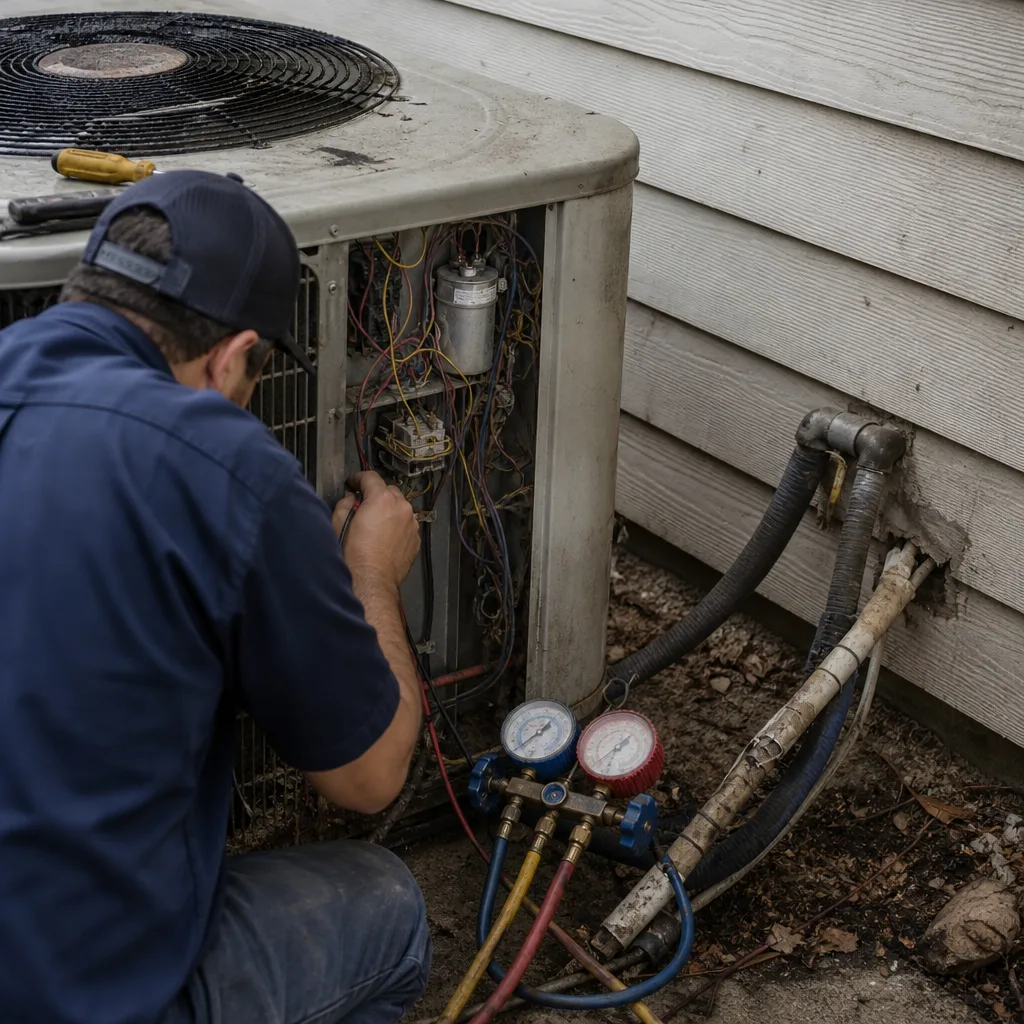 Before
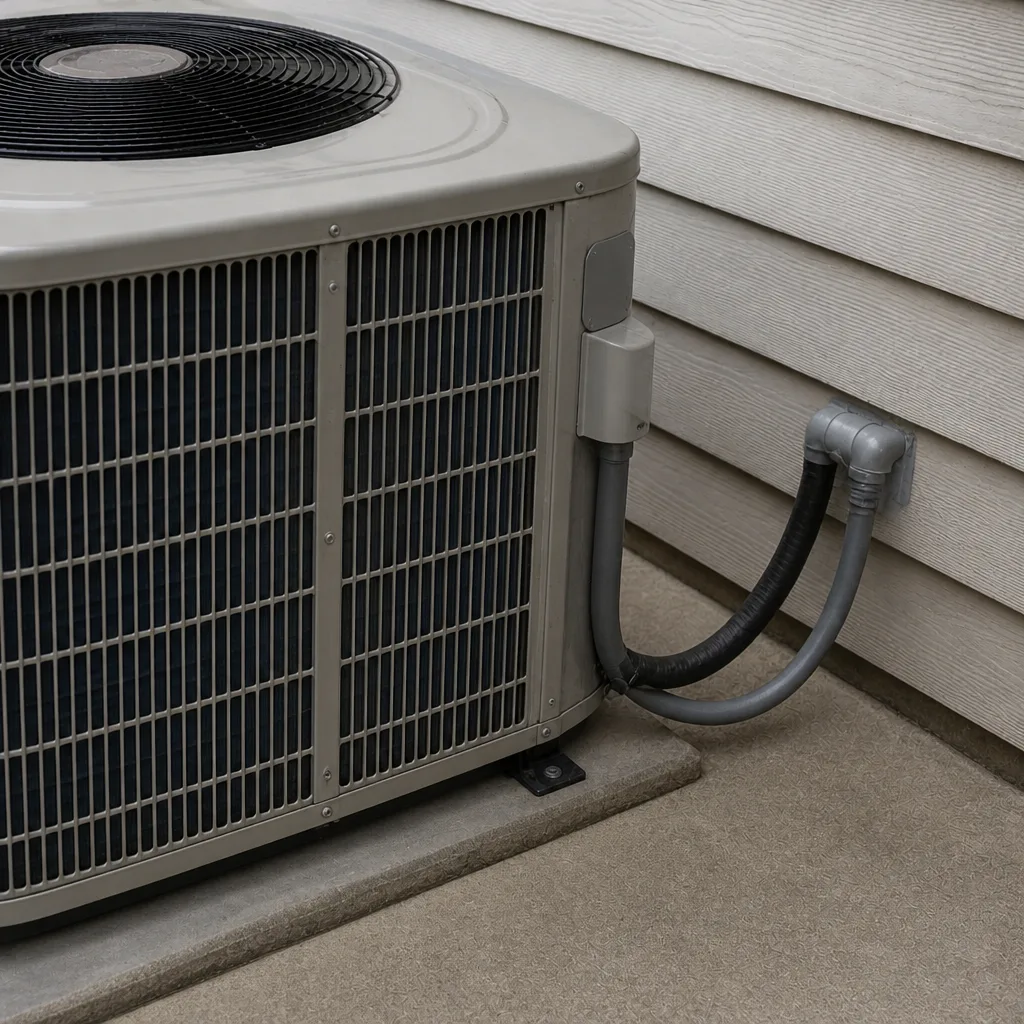 After
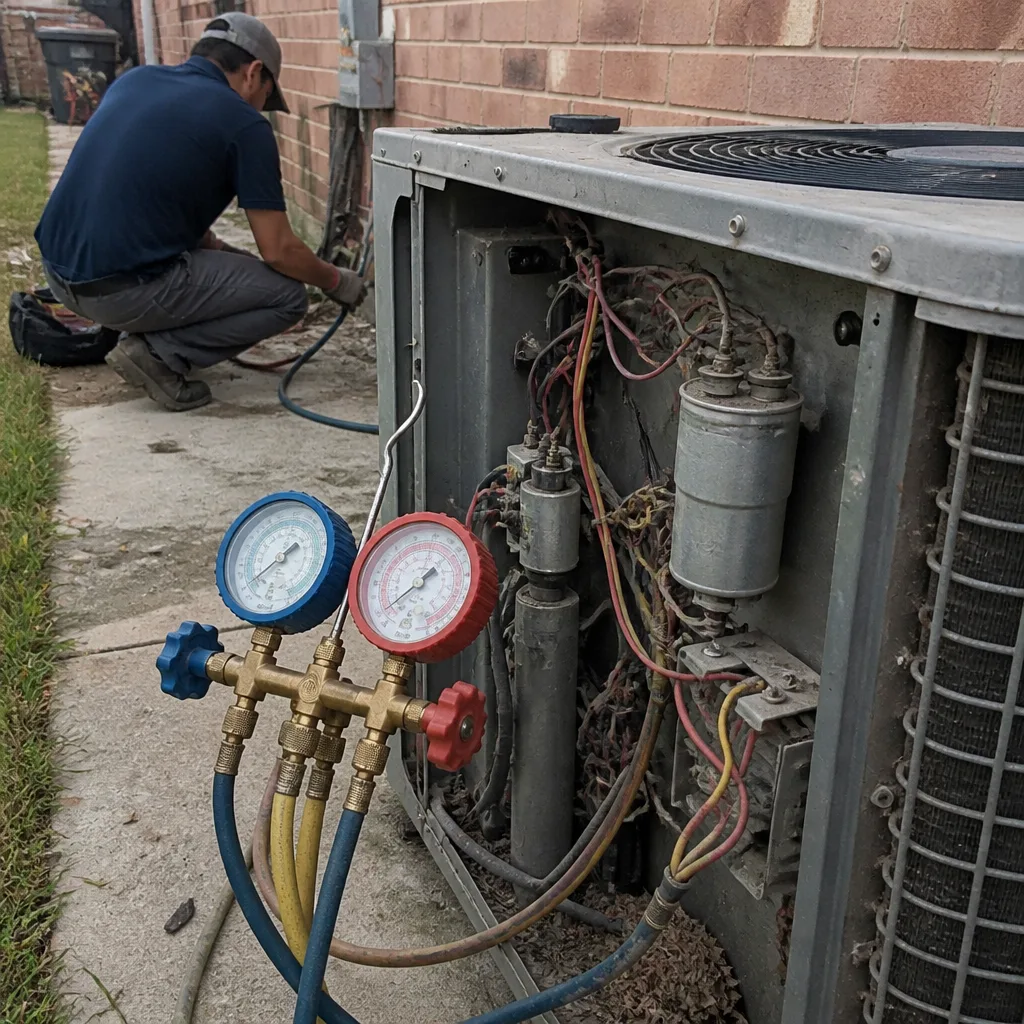 Before
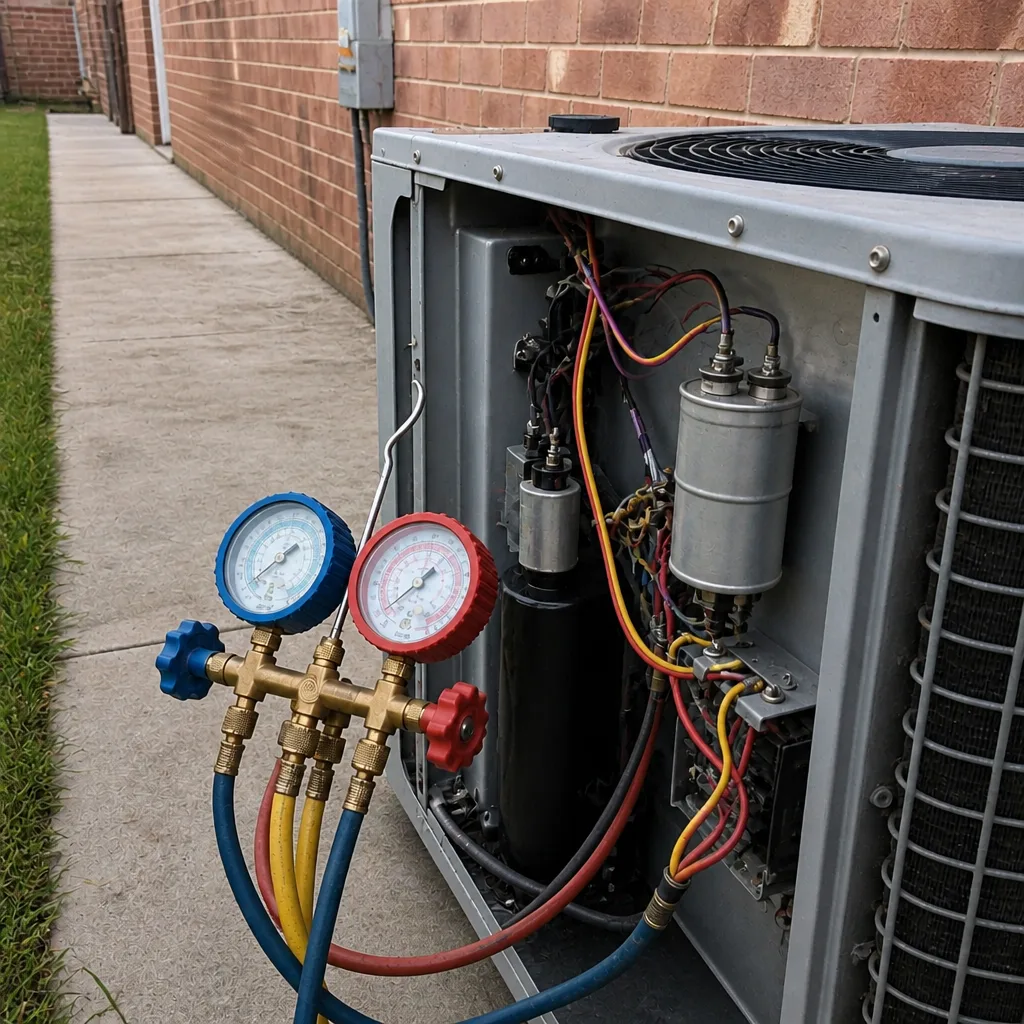 After
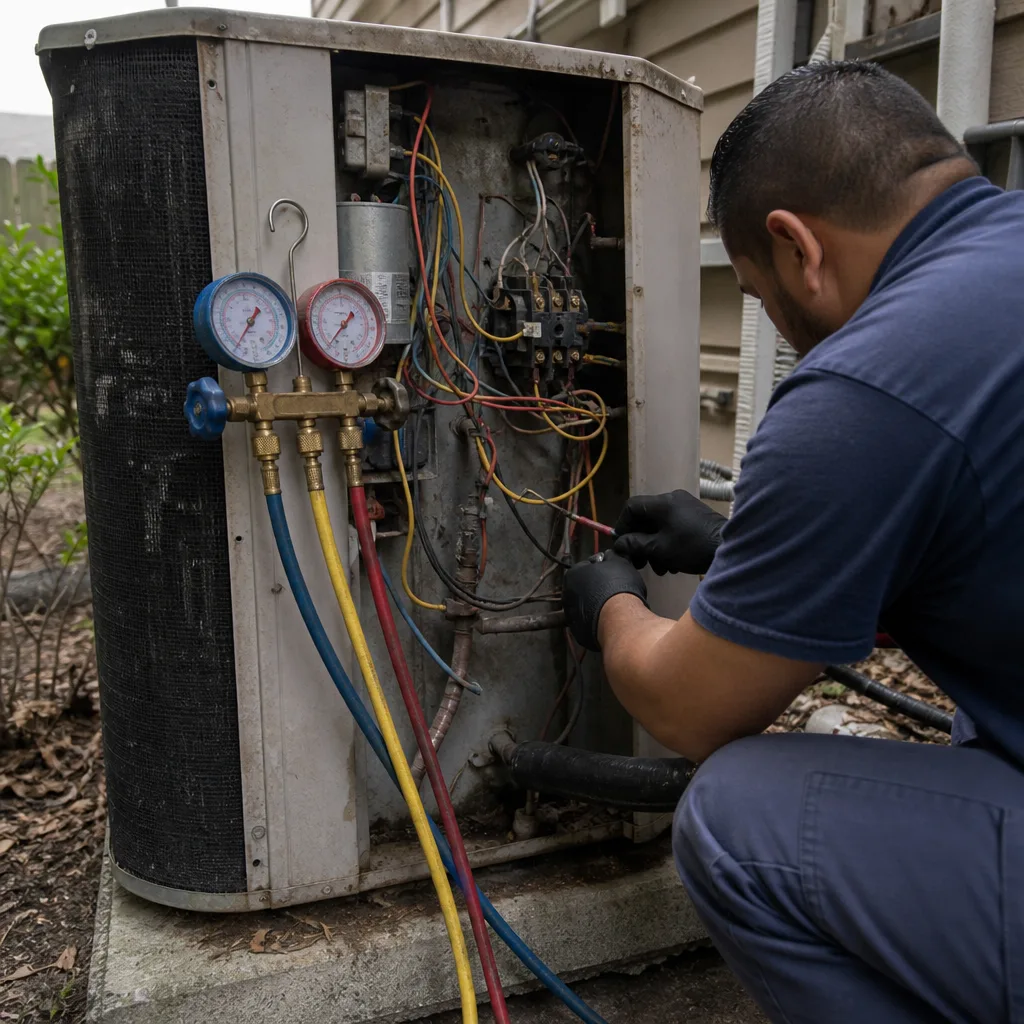 Before
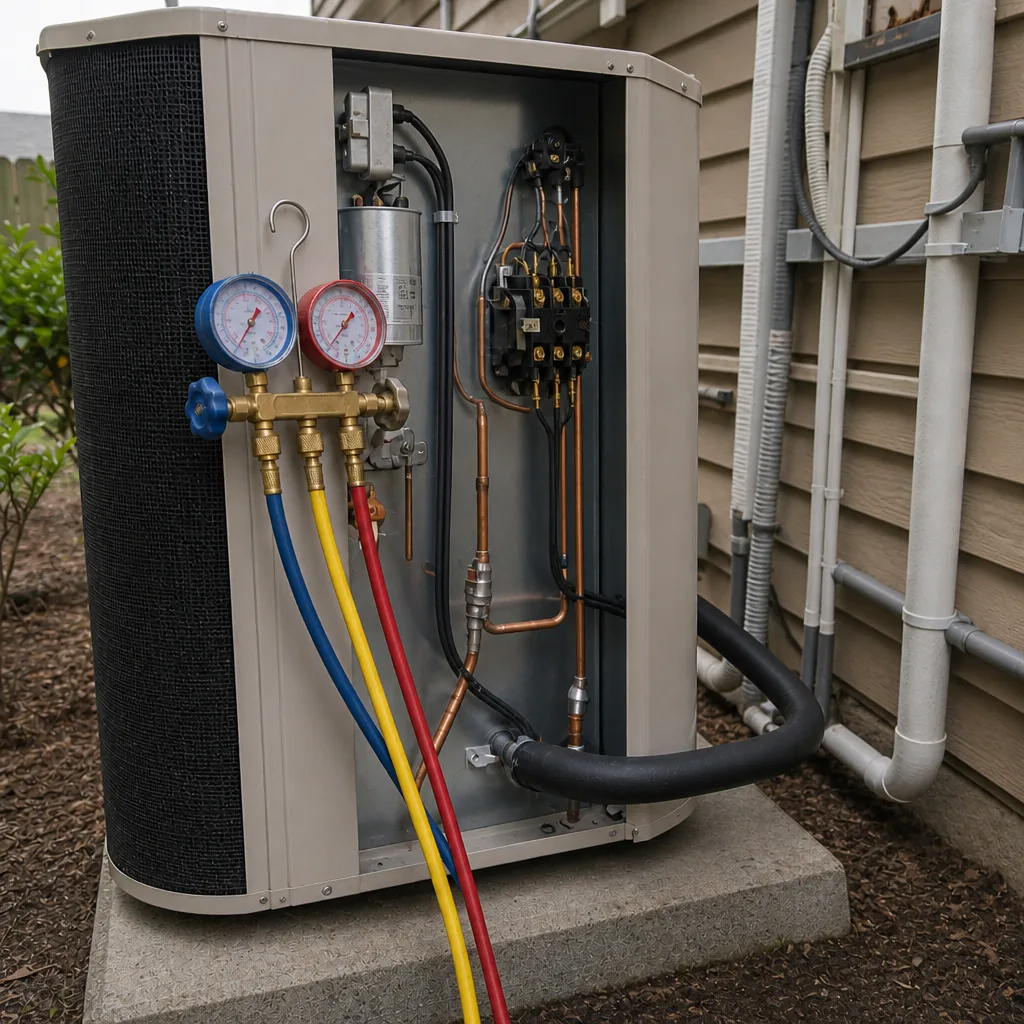 After
Frequently Asked Questions
Frost or ice on the refrigerant lines during warm weather is the most urgent warning sign in Sugar Land. It means the system is running below freezing at the coil, which can cause compressor damage if left alone. Call for a diagnostic as soon as you see it.
Short-cycling on humid days usually means the system is oversized, low on refrigerant, or struggling with airflow. In Sugar Land’s humidity, it also means the system never runs long enough to remove moisture from the air, so the house feels clammy even when the temperature is right. Get it diagnosed.
A 20% increase in daily runtime for the same temperature setting is worth investigating. A 15% or larger jump in your electric bill with no change in habits also warrants a visit. Smaller year-over-year changes are usually aging, not failure.
Get both quotes. At 12 years or older, a Tier 1 warning sign like short-cycling or frost on the lines often points toward replacement being the better long-term value. A brand-agnostic contractor can show you both options side by side.
Yes. Warning signs for cooling and heating equipment are generally consistent across Carrier, Trane, Daikin, American Standard, and other major brands. The mechanical symptoms (short-cycling, frost, drainage, noise) are the same regardless of the nameplate.
Yes, same-day service is often available. We answer 24/7. Fast dispatch from 7am to 7pm, Sunday through Friday. Call (833) 968-5064 to check availability and schedule.
The Bottom Line
Most HVAC warning signs fall into one of three tiers: call within 24 hours, schedule within two weeks, or monitor and log. In Sugar Land, frost on the lines during hot weather, short-cycling during humidity spikes, and excessive condensate drainage are the signs we see most often and the ones worth taking seriously. Your thermostat data and your electric bill are the earliest indicators, so track them. And use system age to interpret symptoms: the same warning sign means something different on a 3-year-old system than on a 13-year-old one. When a symptom falls in Tier 1, call. Delmar AC Repair works on all nine major brands and gives you a straight diagnosis. We answer 24/7. Fast dispatch from 7am to 7pm, Sunday through Friday.
Written by the team at Delmar AC Repair.